
Guide
What an Older Garage Door in Plano Is Actually Worth Fixing
Plano homes mostly went up between 1973 and 2015, so most garage doors are 10-40 years old. Here's how to tell if yours is worth repairing.
Local detail
Checking It Yourself
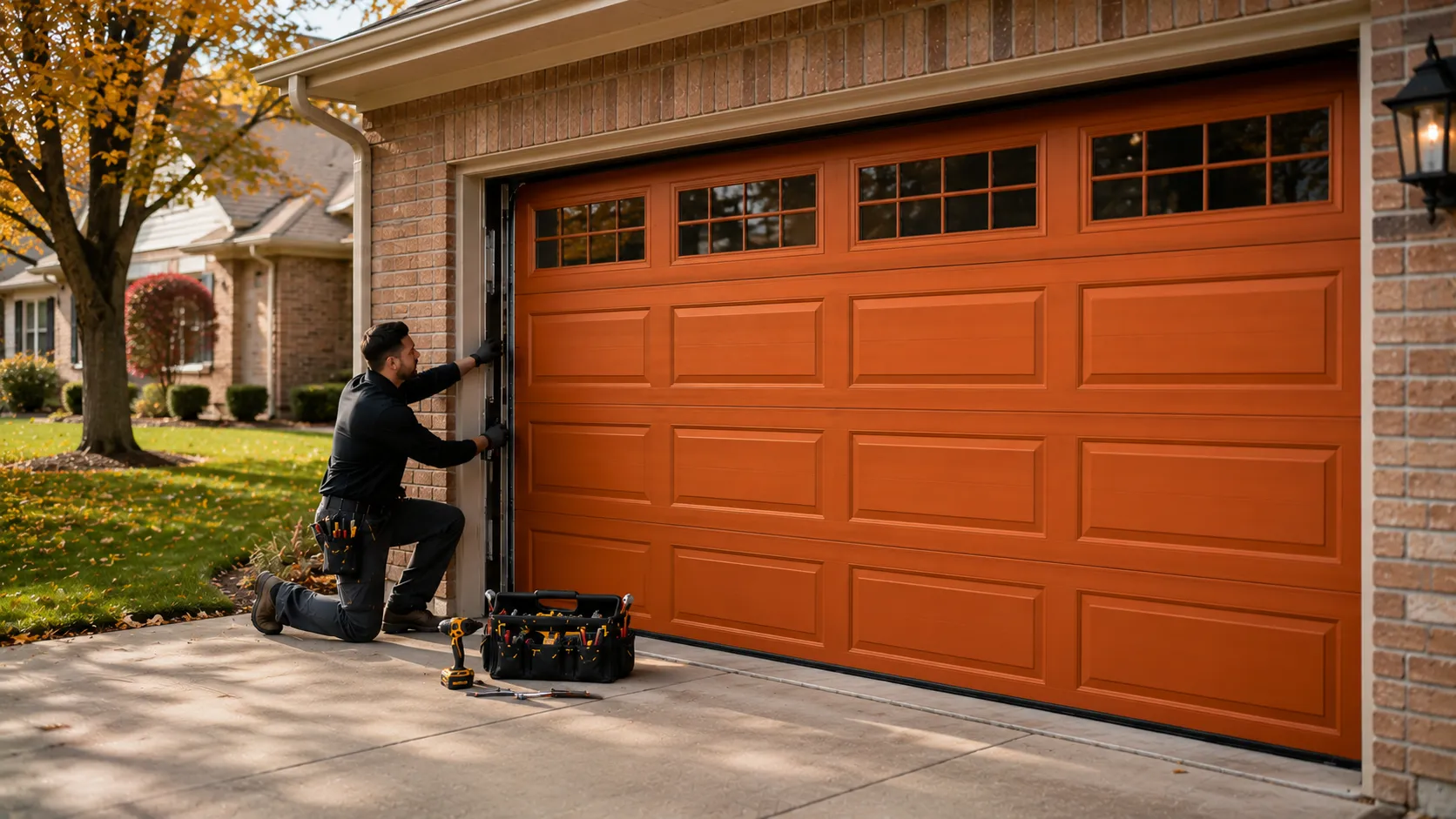
Before you call anyone, pull the release cord and lift the door by hand. If it's balanced, it should stay put about waist-high without you holding it. If it slams down or you can barely lift it, that's a spring problem, not an opener problem, and it's not a DIY fix - torsion springs under tension can hurt you badly.
Next, look at the panels. Surface rust and faded paint are cosmetic. Panels that flex when you push on them, or a bottom section that's soft or delaminating, are structural - that's a door telling you it's done, not a door needing a tune-up.
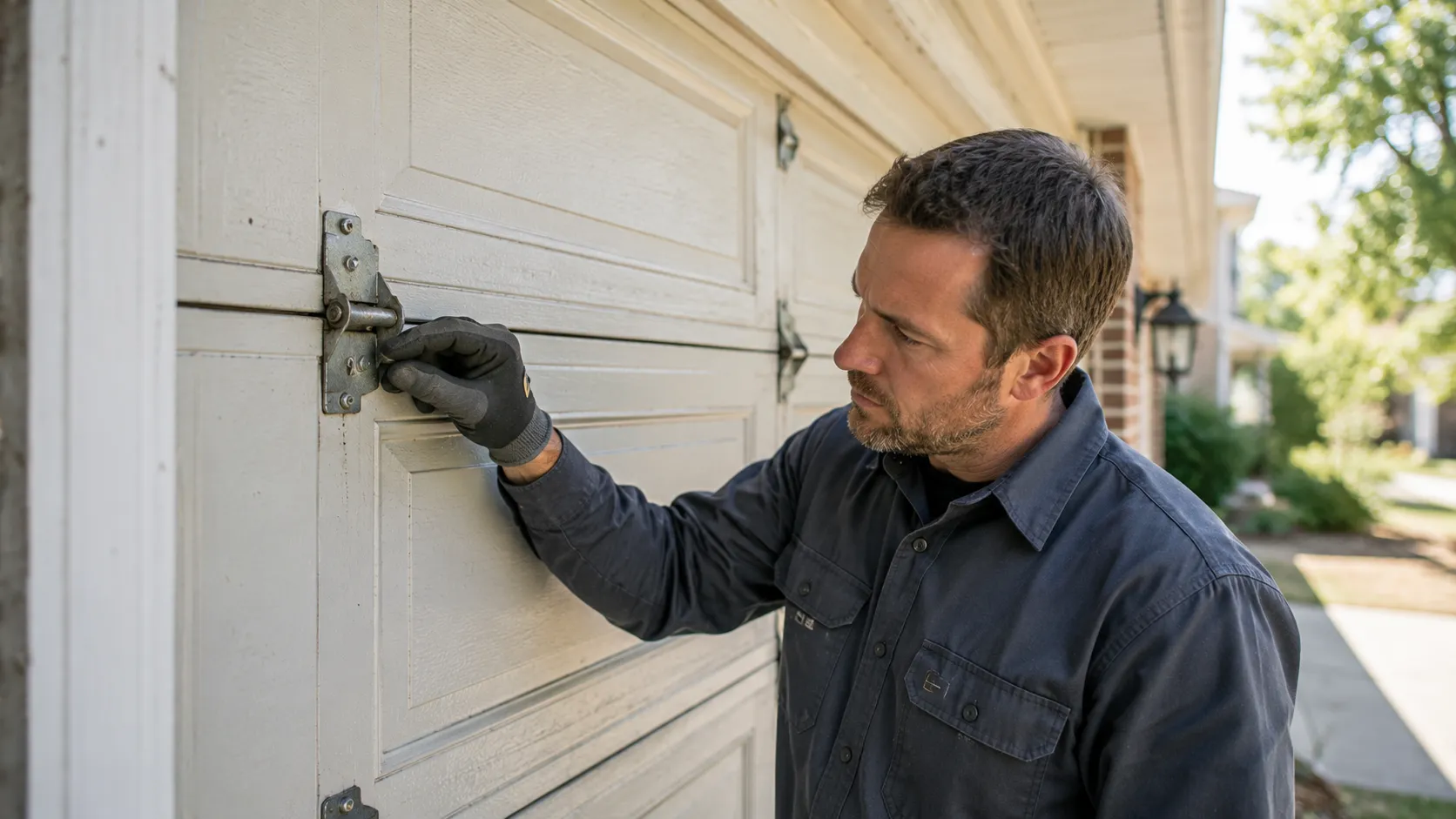
Check the rollers while you're at it. Plano's housing mostly dates from 1973 to 2015, with the median build year around 2001, so a lot of doors out there are running original steel rollers from that era. If they're worn oval instead of round, or you hear a grinding rattle as the door travels, that's wear, not a broken part - it means the whole roller set is past its life, not just one piece.
Write down what you find. A tech who shows up already knowing it's a spring, not an opener board, saves you a diagnostic visit.
The area
What Is Going On
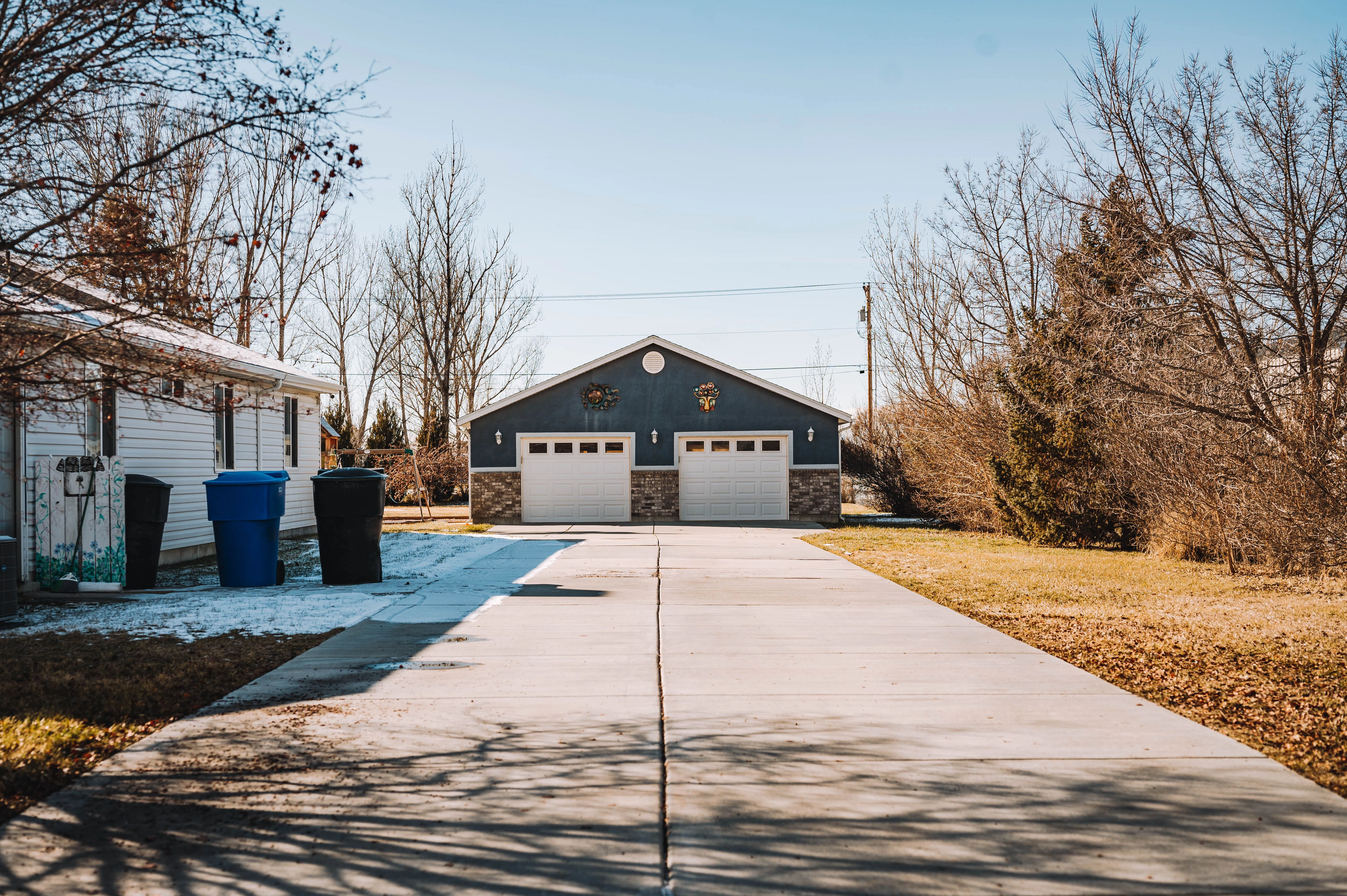
Because so much of Plano's housing stock and the surrounding areas went up during that same 1973-2015 build wave, we see the same failure patterns repeat by age group rather than by street. Doors from the earlier end of that window, into the 1980s and 1990s, are hitting the point where the torsion springs have cycled past their rated life and the original openers are on their second or third circuit board.
Doors from the 2000s stock - which F2 shows makes up most of the newer construction across the 22 named areas in this service area - tend to have a different problem: they're not old enough to be structurally shot, but the openers are old enough that parts for that specific chain-drive model are getting hard to source.
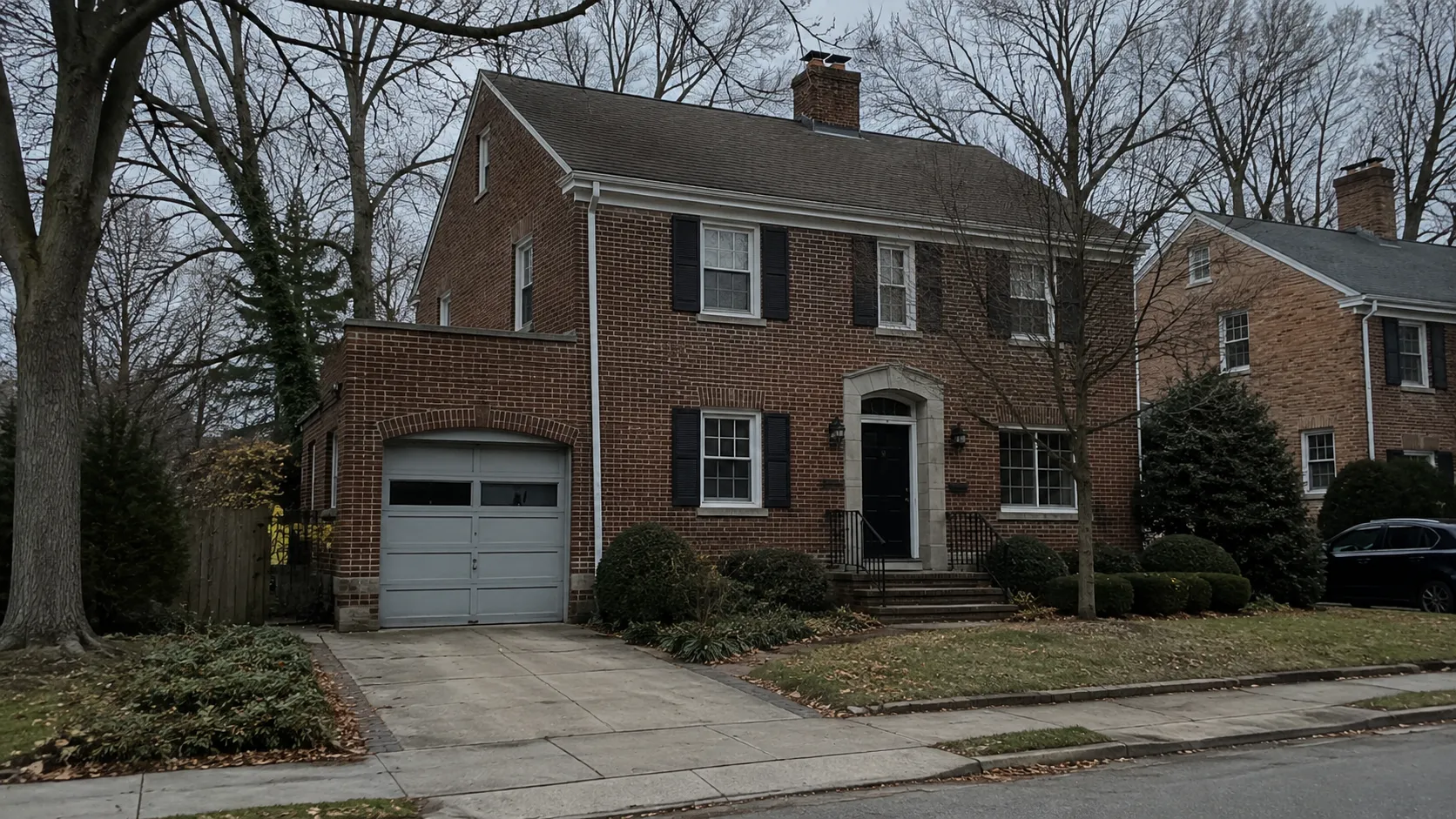
The honest answer on whether to fix or replace usually comes down to what's actually broken. A spring, a set of rollers, a cracked bottom panel - those are repairs on almost any door regardless of age. A wood-composite door from the older end of that build window that's swollen and split at the bottom corners is a different conversation, because at that point you're replacing material, not a part.
What we find
The Seasonal Bit
Doors don't fail on a calendar, but they do fail in clusters. Openers that have been quietly weakening all year tend to give out when the door gets used more - holidays, yard work season, anyone home more during the day. Springs are similar: a spring near the end of its cycle count doesn't care what month it is, it cares how many times it's gone up and down.
What we'd flag for an older door specifically is this: if a spring or opener capacitor is already marginal, added strain from temperature swings pushes it over the edge faster than it would in a mild stretch of weather. That's not a Plano-specific mechanism on its own, but combined with the age of the housing stock here, it means a fair number of the doors reaching that failure point in any given year are doors built in the same original wave - 1970s through mid-2010s construction - hitting the same wear threshold at close to the same time.
How we work
What the Weather Here Does to It
Plano sits in a moderate heat climate band, which is easier on garage doors than a lot of the country - you're not dealing with the freeze-thaw cycling that cracks panels and seizes hardware in colder climates. But moderate heat still does its own slow damage: it dries out and cracks weatherstripping, and it can warp thinner steel or composite panels on doors that face full sun for most of the day.
This matters for the fix-or-replace call because it changes what "worth fixing" means here compared to a harsher climate. A door with sun-warped panels but a good spring and opener is often worth keeping and just replacing the weatherstrip and adjusting the track. You're not fighting the same structural stress a door in a heavy-freeze region would be under, so more of the original hardware on these 1970s-through-2010s builds is still salvageable than you might expect.
One limit worth being upfront about: if a panel has already warped enough to bind in the track, straightening it isn't a lasting fix - heat will pull it back out of shape. At that point you're better off swapping the section, or the door, than paying twice.
Questions
Common questions
How do I know if it's the spring or the opener that failed?
Pull the manual release and lift the door by hand. If it's heavy or drops on its own, that's the spring, not the opener - motors don't care how balanced the door is, springs do all the lifting work. An opener failure usually shows up as the door not moving at all when you hit the button, with the spring still holding it in place fine by hand.
Is my garage door old enough that I should just replace it?
Age alone isn't the test - condition is. Plano's housing mostly dates from 1973 to 2015, so plenty of doors in that range are still structurally sound with a worn spring or roller set, which is a repair, not a replacement. Warped panels, rusted-through steel, or an opener with no parts left available are the signs that point toward replacing instead.
Does Plano's climate wear out garage doors faster?
Not the way a freeze-thaw climate does. Plano sits in a moderate heat band, so you're spared the cracking and seizing that cold-climate hardware takes on. The tradeoff is sun exposure - it dries out weatherstripping and can warp panels on doors that face direct sun most of the day, which is a slower, different kind of wear.
Ready when you are
Need a garage door sorted in Plano?
Plano Garage Door Pros repairs and installs garage doors, springs and openers in Plano, TX and the surrounding area.