
Guide
Why Your Garage Door Lets in Draughts (And What to Do About It)
Plano homes built between 1973 and 2015 mostly carry original door seals. Here's why they crack, what the gaps let in, and when a reseal is worth it.
Local detail
Checking It Yourself
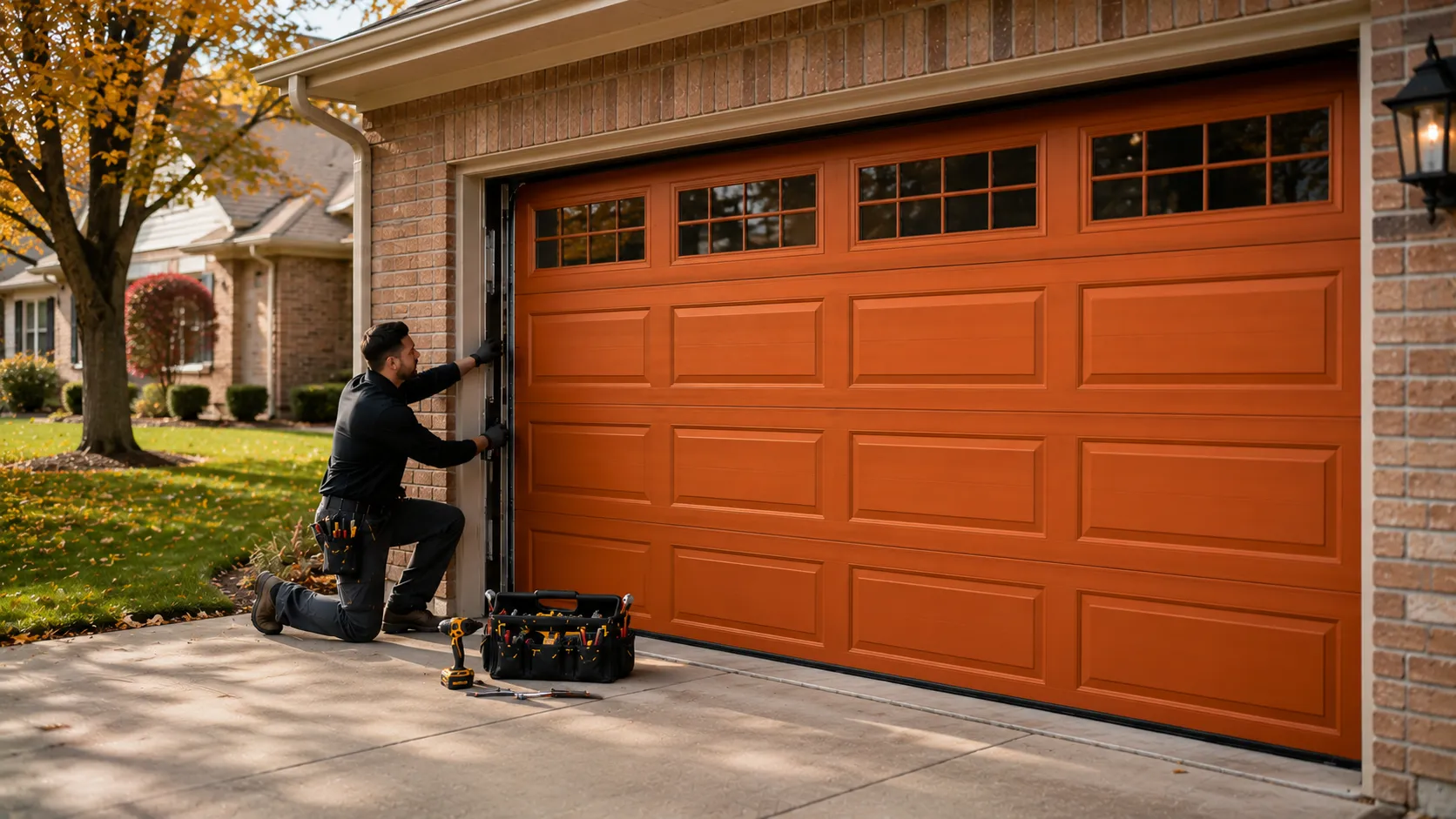
Start at the bottom of the door. Most houses in this part of Plano went up between 1973 and 2015, with the bulk of that stock dating to the early 2000s, so the bottom astragal on your door is likely the same vinyl strip the builder put on. Push a flashlight against the seal from outside at dusk and look for light coming through from the garage side. Check the corners first - that's where the seal pulls away from the track first.
Run your hand along the top and side jamb weatherstripping too. If it's stiff instead of pliable, or if it's cracked into short segments instead of one continuous strip, it's not sealing anymore, it's just decoration. A door that closes flush but still lets in dust or light along one edge almost always has a seal problem, not a spring or opener problem, so don't call about the opener when the fix is a ten-dollar strip of vinyl.
The area
What Is Going On
Vinyl and rubber seals don't fail all at once. They harden with age and sun exposure, and once they harden they shrink slightly and stop conforming to the concrete or the track the way they did when new. On a house built in the early 2000s - which describes a large share of homes in this area - that seal has had two decades of expansion and contraction cycles to work through. The bottom seal takes the worst of it because it's in direct contact with the slab and gets compressed every time the door closes.
Side and top seals fail more from UV exposure through the small gap where the door sits in the frame. None of this is a defect in your door. It's just what happens to rubber and PVC over years of daily use in a climate that runs hot for a good part of the year.
What we find
The Seasonal Bit
This area sits in a moderate heat climate band, not a hard-freeze one, so the seasonal story here isn't about ice splitting a seal - it's about sustained heat softening and then re-hardening the material over and over. A seal that spends long summer stretches warm and pliable, then cools at night, goes through a small expansion-contraction cycle every single day. Do that for fifteen or twenty years on a door built in the early 2000s and the material fatigues even without any single extreme event.
I don't have data on how many freeze days this area sees in a given winter, so I won't tell you your seals are at risk from ice - they're not, particularly. The wear pattern here is steady heat cycling, not sudden cold snaps.
How we work
What the Weather Here Does to It
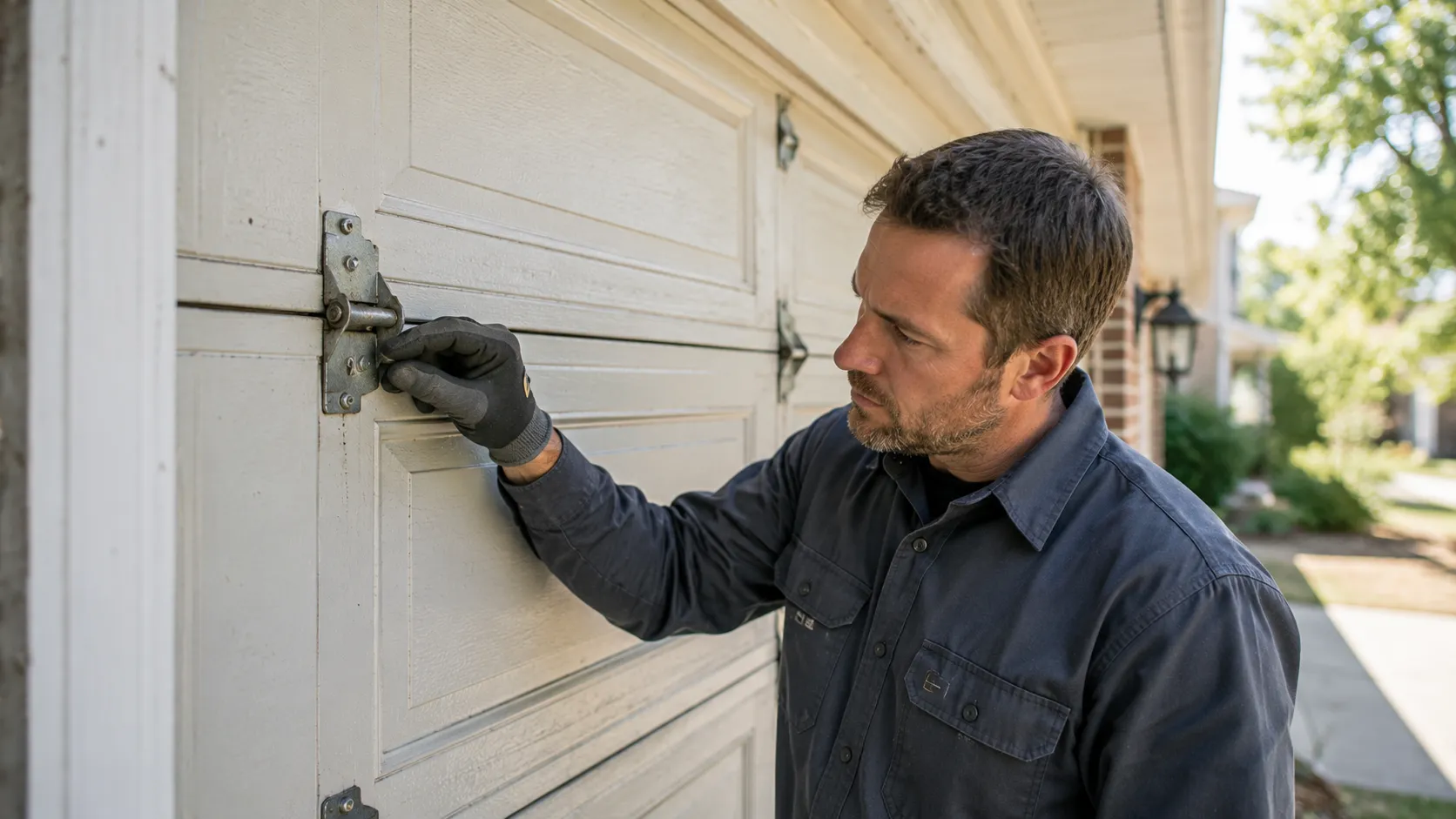
Heat does two things to an older garage door beyond just aging the seals. First, it expands the metal track and the door panels themselves, which can shift alignment just enough that a seal that used to sit flush now has a small gap at one corner. Second, sustained heat on aluminum or steel track fasteners can loosen them slightly over time, which compounds the seal gap problem - you get a draught that looks like a seal issue but is actually a track alignment issue.
On homes built through the early 2000s that are now well into their second decade or more, we see both issues together more often than either alone. Honest limitation: if the panel itself has warped from heat exposure over the years, a new seal won't fix the fit - at that point you're looking at panel replacement, not a reseal, and I'd rather tell you that up front than sell you a strip of vinyl that won't solve it.
Questions
Common questions
How do I know if it's the seal or the whole door that's the problem?
If the door closes tight and level but you still see light or feel air at one edge, it's almost always the seal. If the door doesn't sit flush - gaps that change size along the bottom, or a corner that never quite touches - that's alignment or a warped panel, and a new seal alone won't fix it.
Is my seal failing because of the heat or just old age?
Usually both. Heat cycling - pliable during the day, stiffer at night, over and over for years - is what fatigues vinyl and rubber seals in this area. A door from the early 2000s has had two decades of that cycling, which is why original builder-grade seals rarely make it past that point without cracking.
Can I just add extra weatherstripping over the old seal instead of replacing it?
You can, but it's a short-term patch. Old vinyl underneath keeps hardening and shrinking, so a new strip laid over it won't seat evenly for long. If the original seal is more than a few years past its useful life, pulling it and replacing the whole strip is the more durable fix.
Will sealing gaps around my garage door actually lower my energy bill?
It can help some, especially if your garage sits under or beside conditioned living space, but I don't have local energy-use figures to give you a number. What I can tell you is that a sealed door keeps dust, bugs, and outside air out of the garage itself, which matters regardless of what it does to your bill.
Ready when you are
Need a garage door sorted in Plano?
Plano Garage Door Pros repairs and installs garage doors, springs and openers in Plano, TX and the surrounding area.