
Plano, TX
Garage Door Repair for Plano Homes Built 1973 to 2015
Plano homes mostly date from the 2000s building boom - that means original torsion springs and rollers are hitting failure age at the same time. Local repair, not guesswork.
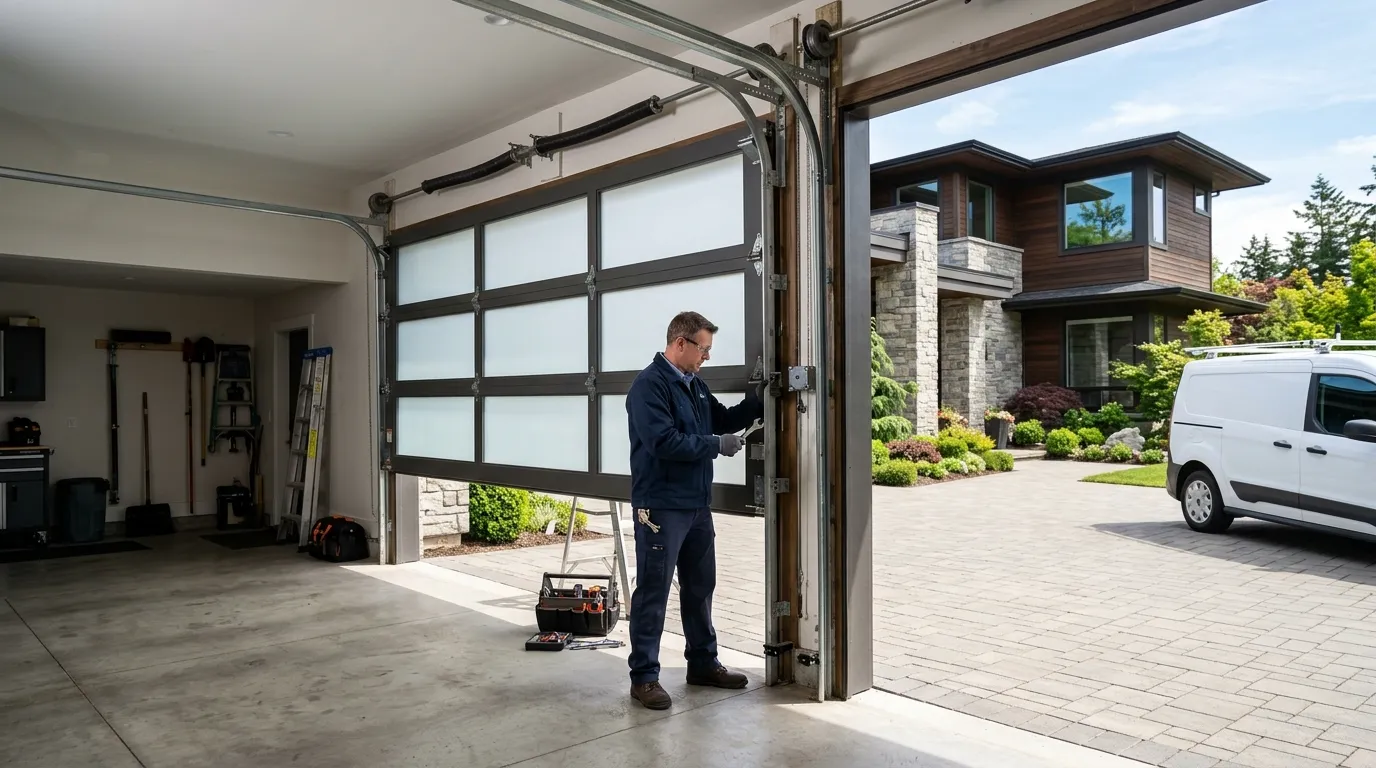
What we do
Garage door work in Plano
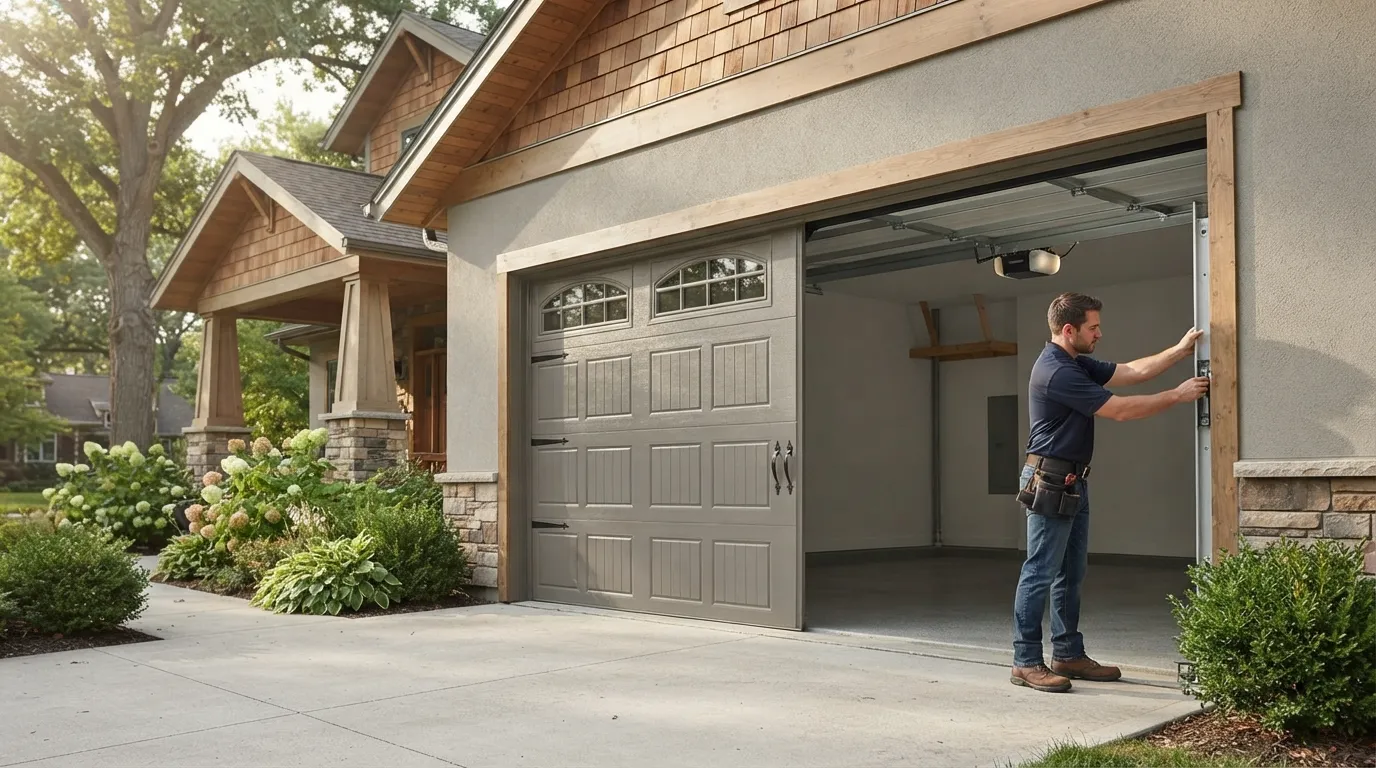
Garage Door Installation Built for Plano's 2000s Housing Stock
Plano Garage Door Pros installs garage doors sized for Plano's 2000s-era homes, matched to local heat and the openings builders used from 1973 to 2015. Learn more →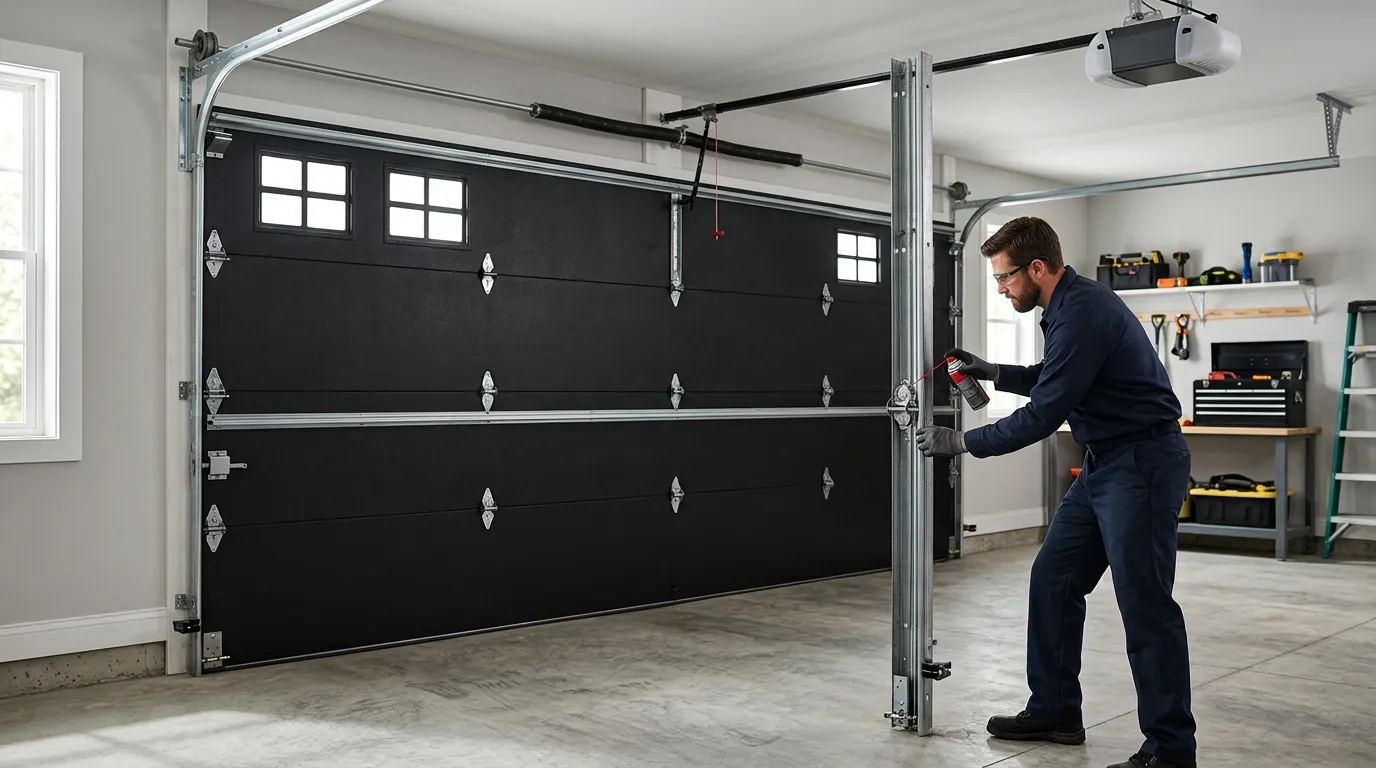
Garage Door Service Built Around Plano's Housing Stock
Most Plano garage doors and openers date to the 2000s housing boom. Learn more →Local detail
Why This Fails Locally
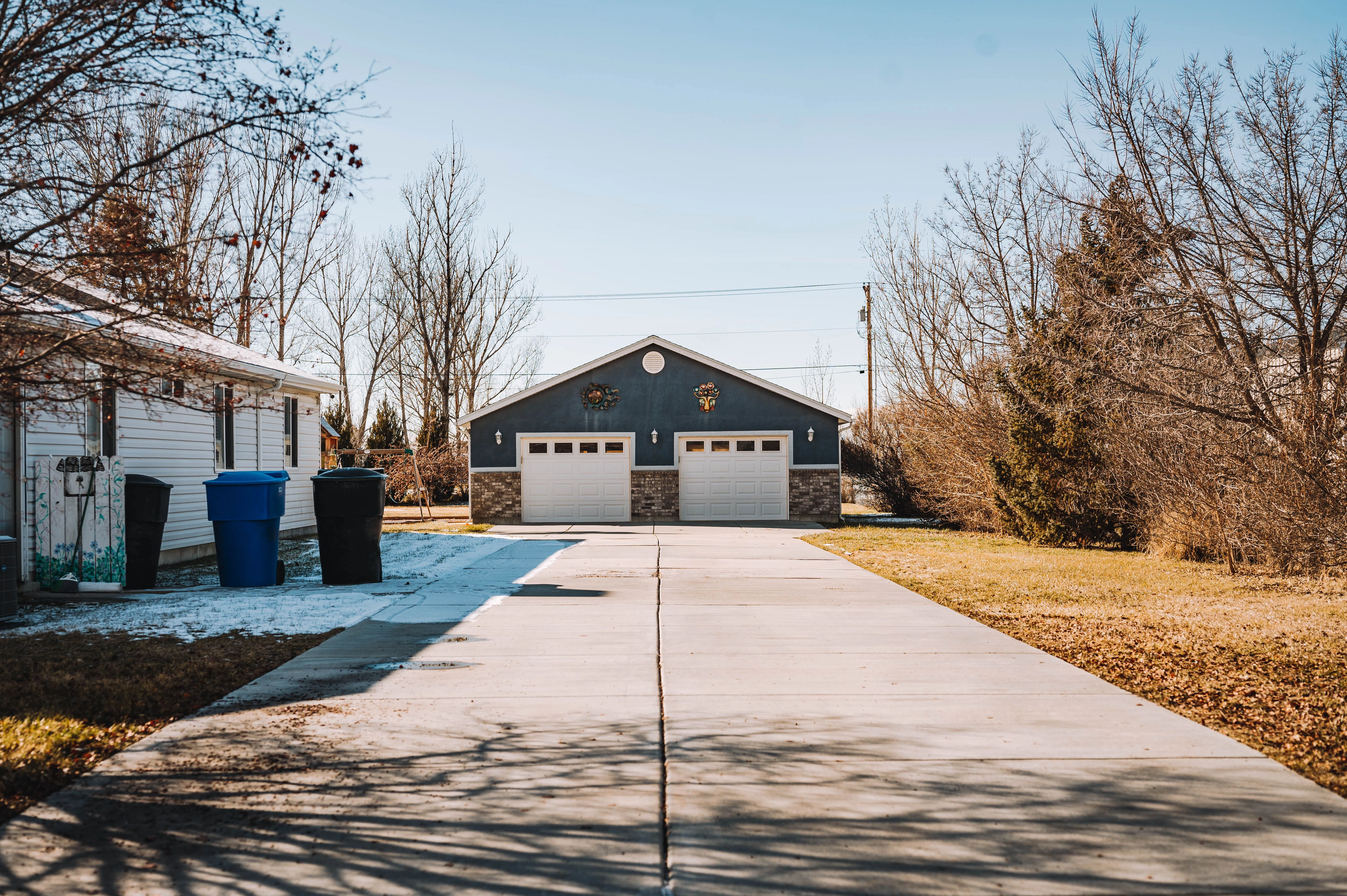
Plano's housing stock runs 1973 to 2015, with the median year sitting at 2001 and most of the 22 named areas we work in dominated by that 2000s building wave. That matters more than it sounds like it should. Torsion springs are rated for a fixed number of open-close cycles, usually somewhere around fifteen to twenty years of normal use, and a house built in 2001 or 2003 is now sitting right in that window. When a whole subdivision goes up in the same three or four year stretch, the springs in it start failing in the same three or four year stretch too.
Add the heat. Plano sits in a moderate-heat band, which doesn't sound extreme next to places further south, but it's enough to put steel track and the coil itself through a daily expand-and-contract cycle for most of the year. That cycling is what work-hardens a spring and turns a slow wear pattern into a sudden snap, usually on the coldest morning after a long stretch of heat. It's not bad luck. It's the age of the house and the weather doing what they do to hardware that was never meant to last forever.
We see this pattern most in the areas with concentrated 2000s construction - houses that all started their spring life around the same year are now all ending it around the same year.
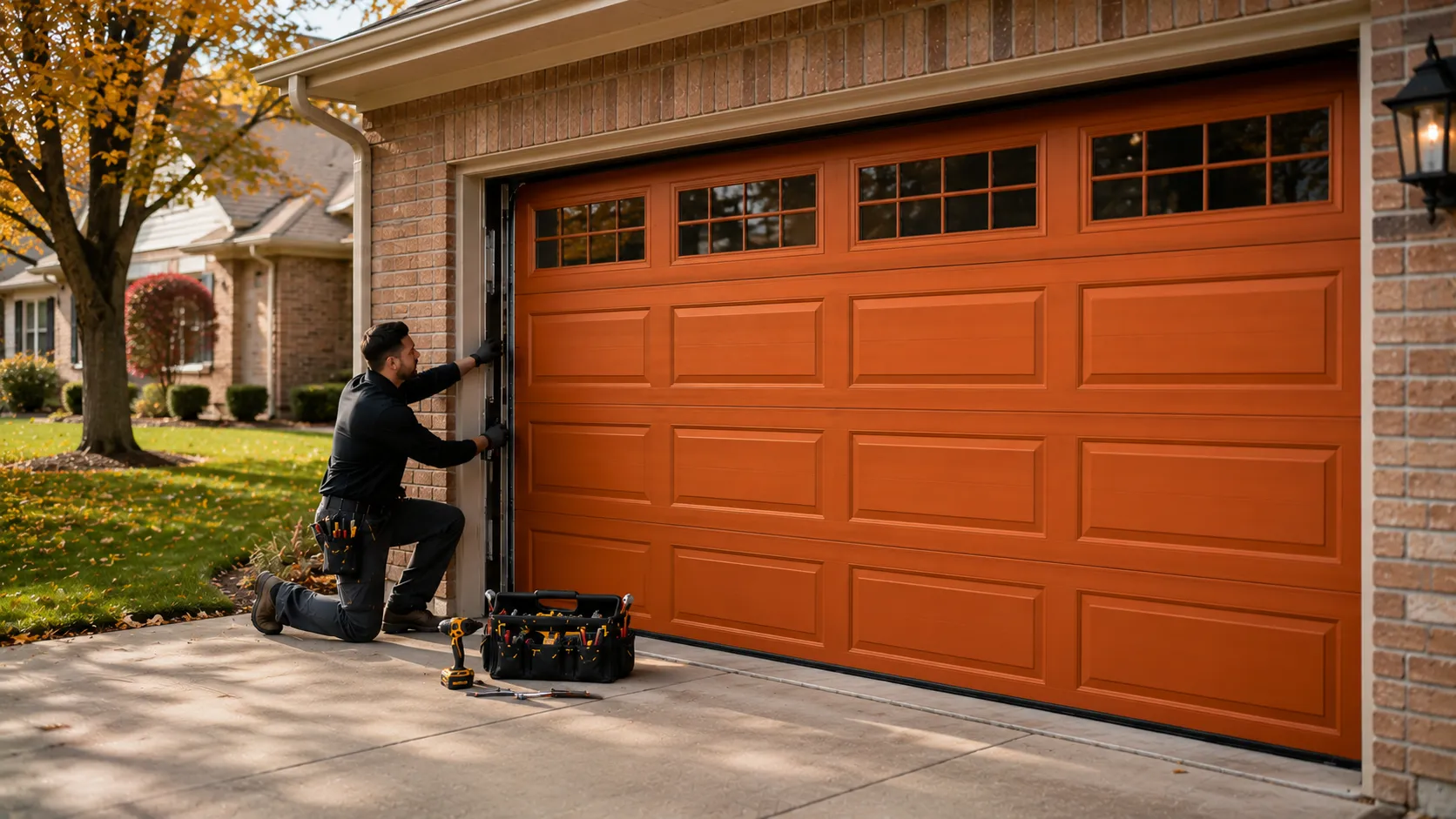
The area
What Can Go Wrong
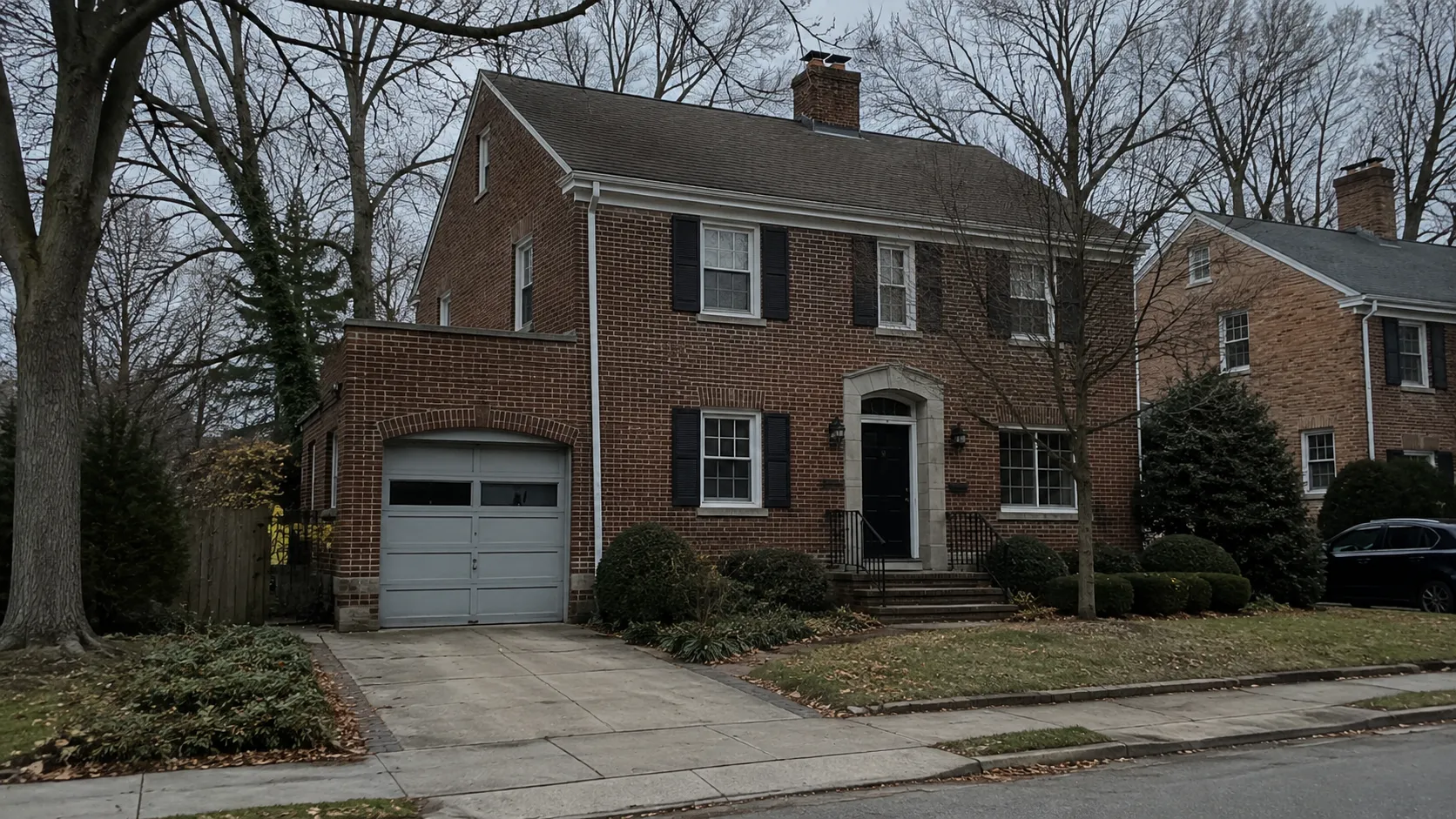
Torsion springs are the big one, and they fail the way they're supposed to fail on a house this age: one side goes first, usually with a bang loud enough to bring you into the garage. Once one side is gone the opener will try to lift the door on the other spring alone, which strains the drive gear and can crack a plastic sprocket that was never built to carry the full load.
Rollers are the second common failure on 2000s-era doors. Original nylon rollers weren't built for twenty-plus years of the daily heat cycling this area gets, and by now a lot of them have gone brittle at the stem. A cracked roller binds in the track and puts uneven strain on the cables, which is how a roller problem turns into a cable problem if it sits too long.
Openers from that same build era are also aging out. Drive belts stretch, chains sag, and the safety sensors - the two eyes near the floor - drift out of alignment as the bracket they're mounted on shifts slightly over the years. None of these are exotic problems. They're what happens to doors and openers installed in the same decade, in the same climate, on schedule.
What we find
How It Shows Up
Most calls start with one of three things: the door won't open at all, it opens partway and stops, or it's making a noise that wasn't there last week. A dead stop with the opener motor still running usually means a broken torsion spring - the opener isn't strong enough to lift a garage door on its own without spring assist, and it won't pretend otherwise.
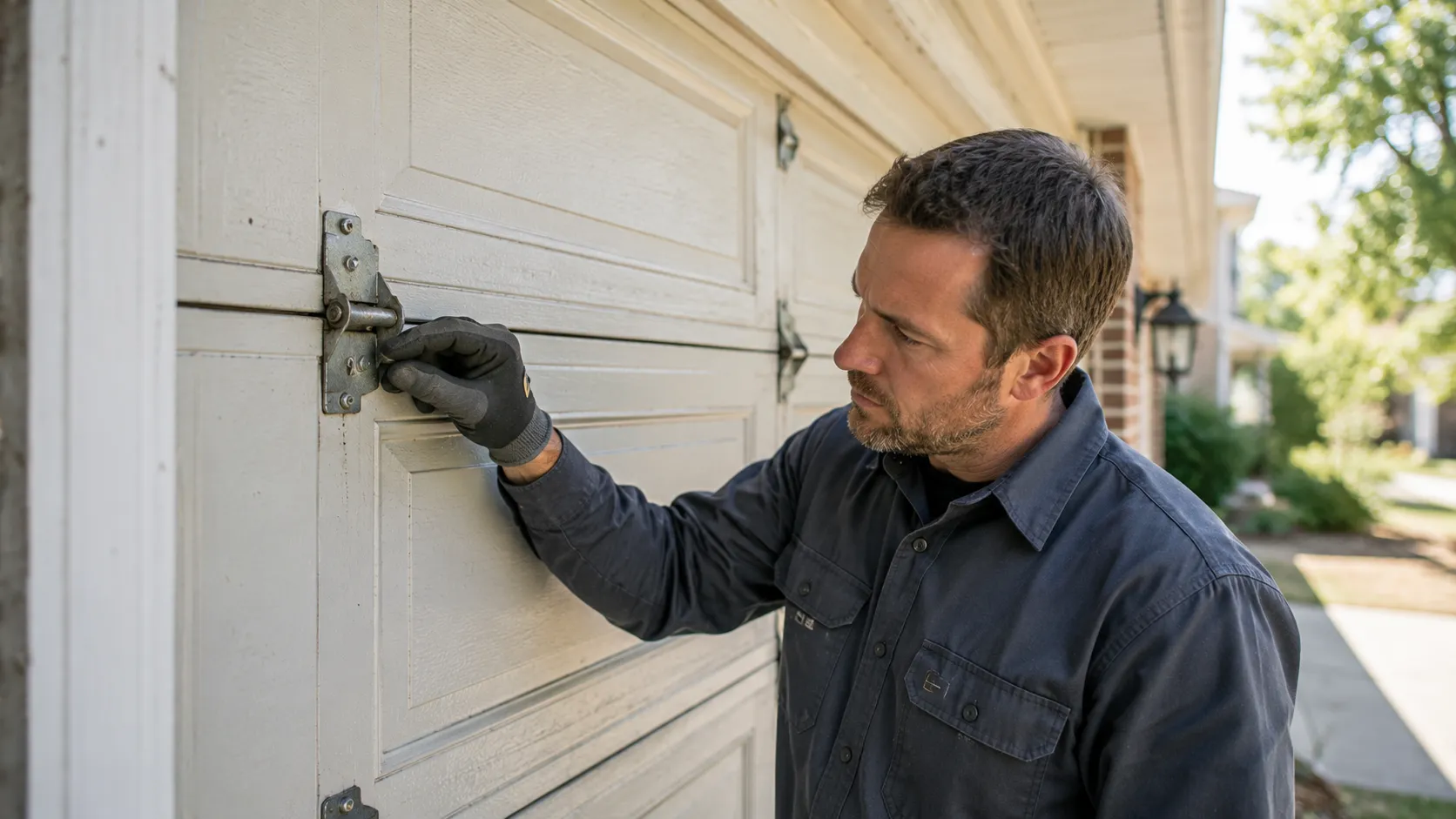
A door that shudders or drags on one side as it moves is often a bad roller or a cable starting to fray off the drum, especially if the noise gets worse where the door is close to fully open or fully closed. A door that reverses right after it starts closing is almost always the safety sensors - check first whether anything's blocking the beam between the two eyes near the floor before assuming it's a wiring fault.
If the opener makes a fast clicking or grinding sound but the door barely moves, that's usually a stripped gear or slipping belt, not a spring issue. None of these get better by running the opener again to see if it clears itself - running a garage door on a failing part is how a $200 roller job turns into a bent track.
How we work
What You Pay
We don't publish flat prices here because the fix for a broken spring on a two-car door isn't the same job as replacing a set of rollers or a drive gear, and quoting one number for all of it would be a guess dressed up as a fact. What we can tell you is what drives the cost: whether it's one spring or a matched pair, whether the opener itself needs a part or just a sensor realignment, and whether the door is a standard steel panel or something heavier.
Homeowners in this area, where median household income runs well above the national figure, tend to lean toward full spring pair replacement rather than fixing one side and waiting on the other - it costs a bit more up front and avoids a second service call a year or two later when the untouched spring gives out.
Here's the honest limit: if your springs are original to a 2000s build and one side has already failed, we're not going to sell you a single-spring patch and call it done. The other spring is the same age and has done the same number of cycles. Replacing just one is a short-term fix on a problem that's already showing up on both sides.
Questions
Common questions
Why did my garage door spring break with no warning?
Torsion springs fail from metal fatigue after a set number of open-close cycles, not from a single event. Most Plano homes were built in the 2000s, so a lot of springs are now past their rated life at the same time. The break itself is sudden, but the wear behind it built up over years of normal use plus the daily heat cycling this area gets.
Should I replace one spring or both?
If your door has two springs and one has broken, the other is the same age and has handled the same number of cycles. We usually recommend replacing both together, since fixing only the broken side just delays the second failure by a year or two rather than preventing it.
Is it normal for openers this old to need sensor adjustments?
Yes. The safety sensors near the floor are mounted on brackets that shift slightly over fifteen-plus years, especially with the seasonal expansion this climate puts on a garage's frame. A drifted sensor is a common reason a door reverses when closing, and it's usually a quick fix rather than a sign the opener is failing.
Ready when you are
Need a garage door sorted in Plano?
Plano Garage Door Pros repairs and installs garage doors, springs and openers in Plano, TX and the surrounding area.