
Guide
What That Noise Coming From Your Garage Door Actually Means
Grinding, popping, or squealing garage door in Plano? Here's what each sound means for the 1970s-2010s housing stock common across this service area.
Local detail
Checking It Yourself
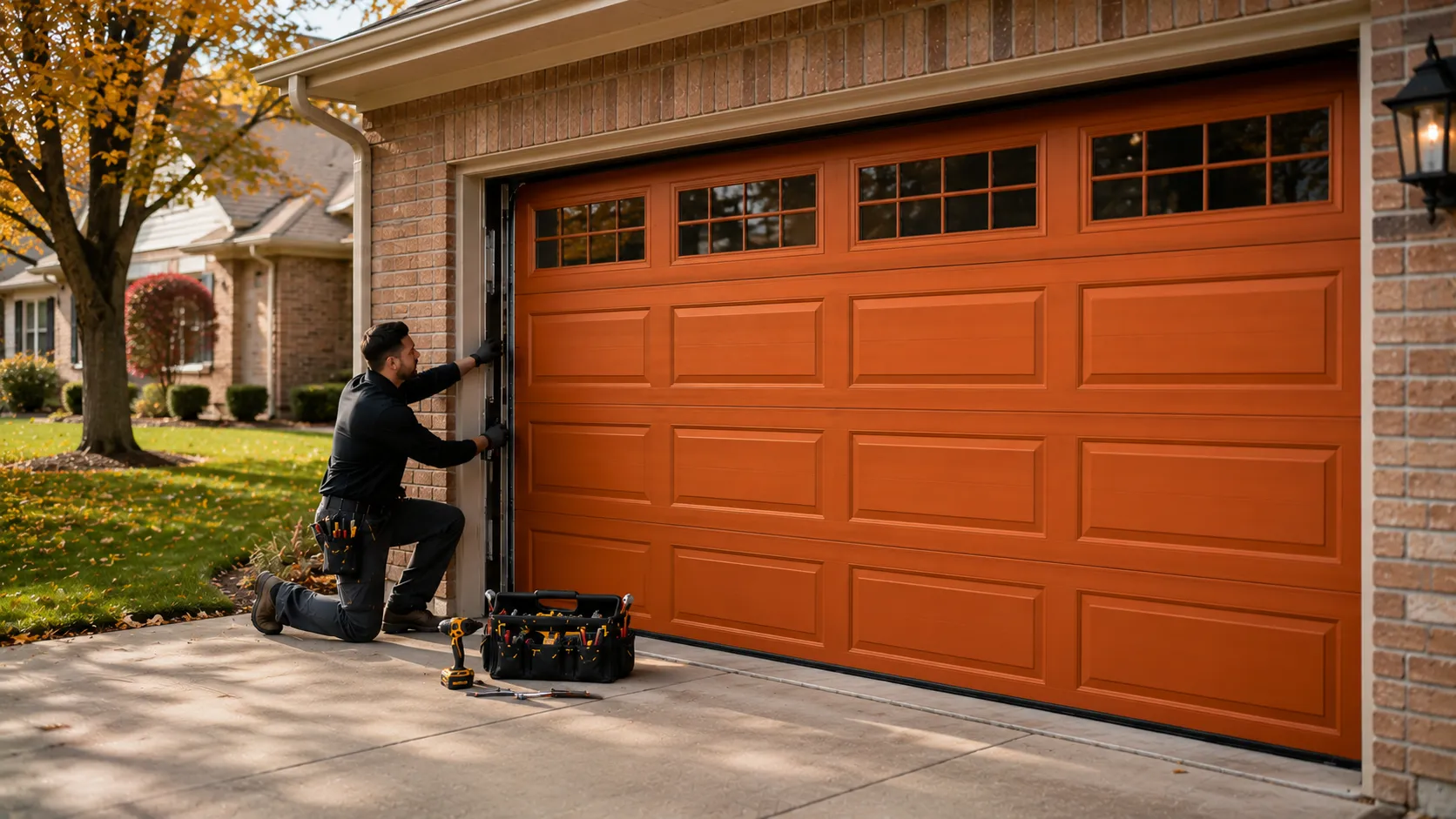
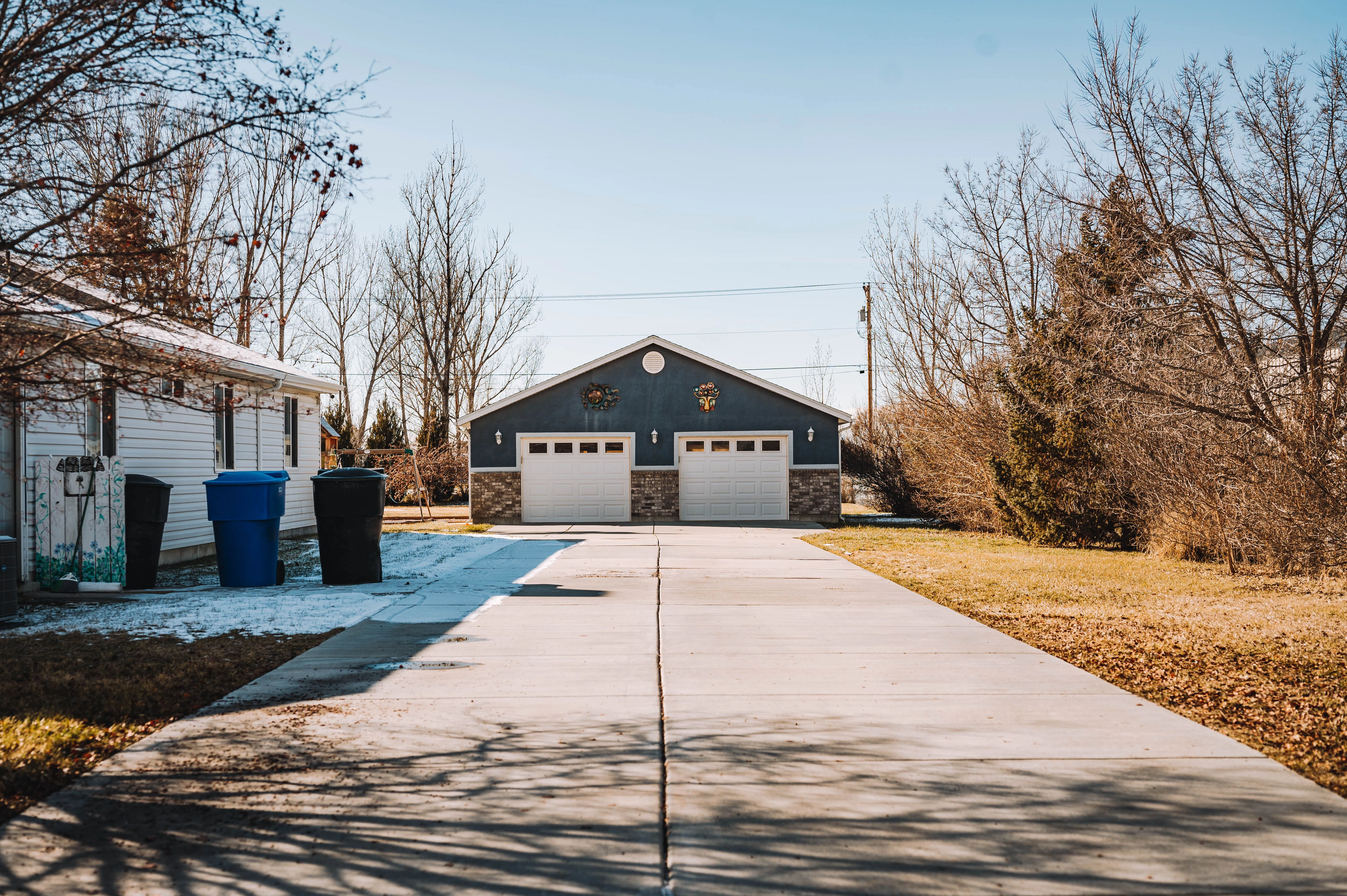
Before you call anyone, stand next to the door and run it up and down once with the light on. Most houses in this service area went up between 1973 and 2015, with the typical build year landing around 2001, so what you've got is almost certainly a torsion spring system with a chain-drive or belt-drive opener bolted to the ceiling - not the older extension-spring, hand-crank setups you'd find in a much older neighborhood.
Listen for where the sound starts. A grinding noise right at the motor head usually means the drive gear inside the opener is worn down, a known failure point once these units pass the fifteen-year mark. A rhythmic thunk-thunk as the door travels is almost always a bad roller, not the spring. A sharp pop, especially near the top of the travel, points to the torsion spring itself - and that's not a DIY fix. Springs under tension can put someone in the hospital.
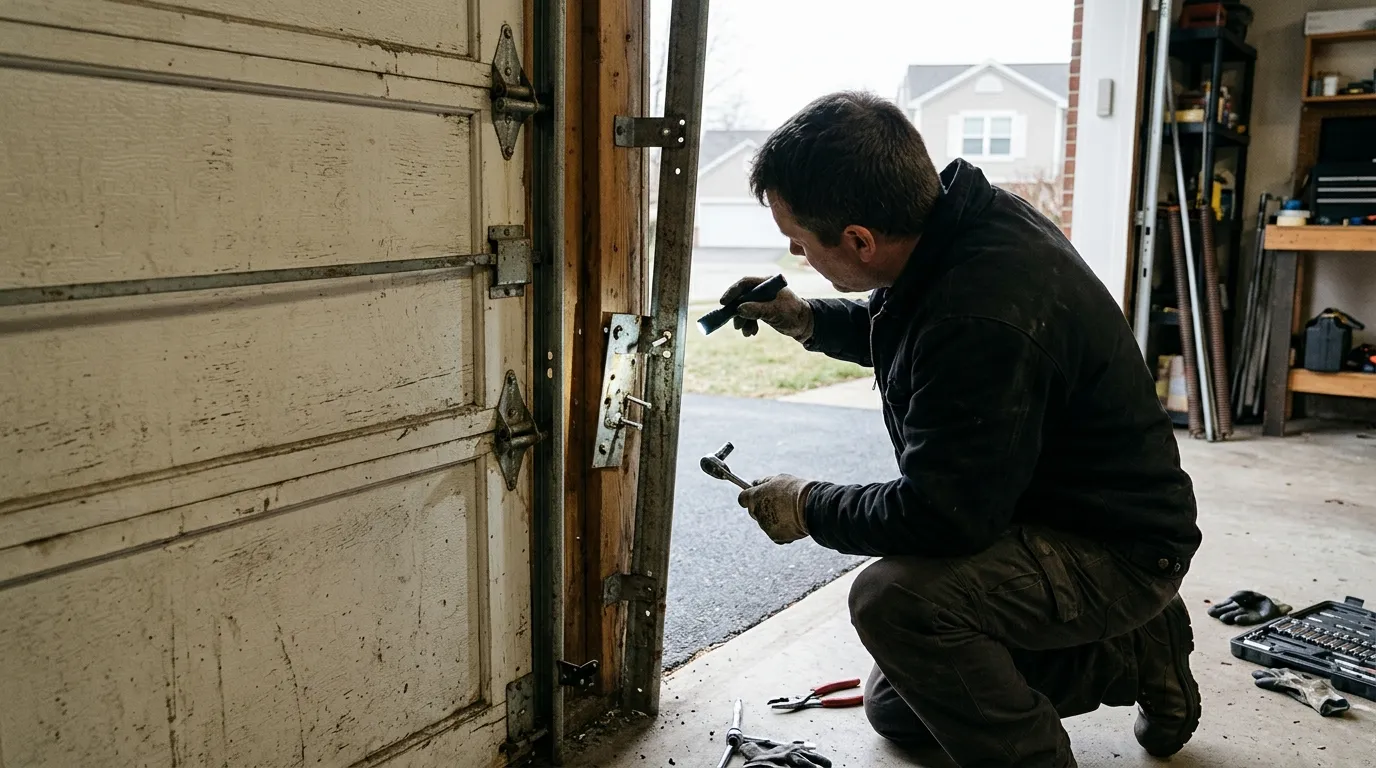
One honest limit here: we can't diagnose a spring problem over the phone with certainty. If you hear a loud bang and the door won't move, that's a spring, and it needs a truck out, not troubleshooting steps.
The area
What Is Going On
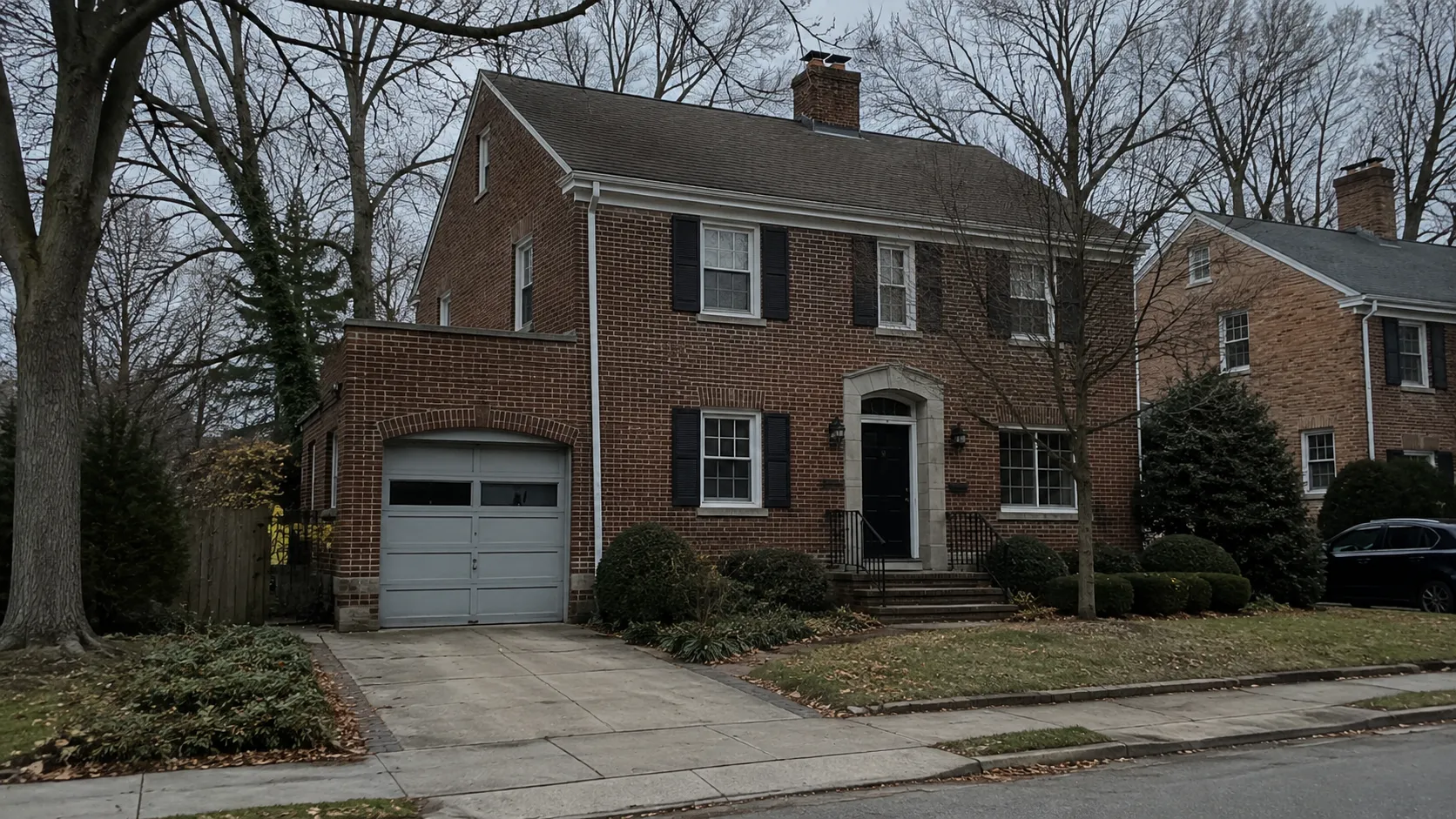
Across the 22 named areas that make up this service area, the housing stock skews heavily to 2000s construction, which means most garages share the same hardware generation: steel torsion springs, nylon rollers, and openers with plastic drive gears rather than the metal ones used decades ago. That consistency is actually useful - it means the noise complaints we hear tend to cluster into the same short list of causes rather than a wide spread of eras and part types.
A squeal on the way up or down is almost always a dry roller or hinge, cheap to fix and easy to ignore until it isn't. A grinding sound from the opener itself is wear on that plastic gear, which fails predictably once it's carried a decade or two of daily cycles. A rattling track usually means loose mounting bolts, which vibrate out over years of use and are a five-minute tighten, not a replacement job.
What doesn't fit that pattern deserves attention. If a door built in this window is already showing spring failure, it's either been cycled hard - a home business, a family running the car in and out several times a day - or it never got serviced. Neither is unusual, but neither should be ignored either.
What we find
The Seasonal Bit
With 51,980 owner-occupied houses across this service area built mostly within one long construction stretch, we see the same hardware age out at roughly the same time, which makes certain months predictable for certain calls. Grease that was fine when a door was new gets thick and slow after a decade-plus, and that shows up first as noise before it shows up as a door that won't close all the way.
A median household income of $121,724 in this area also shapes what people choose to do about it. Most owners here call for a repair - a new roller set, fresh lube, a gear replacement - rather than let a noisy door run until it fails outright, since the repair cost is small next to letting a spring or opener take out a door panel on the way down.
We don't push replacement on a door that's making noise but still tracking straight and closing flush. A full teardown makes sense when the springs are original and the door is pushing twenty years old, not just because it's loud. Loud and broken are different problems, and only one of them needs a new unit.
How we work
What the Weather Here Does to It
This area sits in a moderate-heat climate band rather than one with extreme seasonal swings, so you won't get the kind of thermal cracking that splits doors in places with harsh freeze-thaw cycles. What you do get is steady summer heat that thins out grease and dries plastic idler bearings faster than a mild climate would, which is why squealing rollers and dry hinges show up more in the hot months than the cold ones here.
That same heat also softens the seals and washers inside some opener assemblies over years of exposure, contributing to the grinding-gear failures common in openers built during the 1973 to 2015 boom that put up most of the houses in this area. It's not dramatic weather damage - no hail dents, no ice-jammed tracks - it's slow wear from consistent heat load, which is a different maintenance conversation than you'd have in a colder region.
The practical takeaway: lubricate rollers and hinges before summer, not after the squeal starts. Once a nylon roller's core has dried and cracked from heat cycling, lube won't quiet it back down - that part just needs swapping.
Questions
Common questions
My garage door makes a loud bang and won't move. What is that?
That's almost certainly a broken torsion spring, common on houses in this area given how many were built between 1973 and 2015 with torsion-style hardware. Don't try to force the door open manually or with the opener. It needs a technician to release the tension safely and replace the spring.
Why does my opener grind but the door still moves?
The plastic drive gear inside the opener head is worn, a common failure once these units pass the decade-plus mark that's typical across this 2000s-era housing stock. The motor still runs but isn't gripping the chain or belt cleanly. It's a repair, not a full opener replacement, in most cases.
Is squealing in summer normal here?
Yes, more than in a harsher-climate area. This service area sits in a moderate-heat band, and steady summer heat thins lubricant and dries out roller bearings faster than it would somewhere with mild summers. A seasonal lube pass before the heat sets in usually keeps it quiet.
Ready when you are
Need a garage door sorted in Plano?
Plano Garage Door Pros repairs and installs garage doors, springs and openers in Plano, TX and the surrounding area.