
Plano, TX
Garage Door Service Built Around Plano's Housing Stock
Most Plano garage doors and openers date to the 2000s housing boom. Here's why that specific age and our heat load cause the failures we see, and what actually needs fixing.
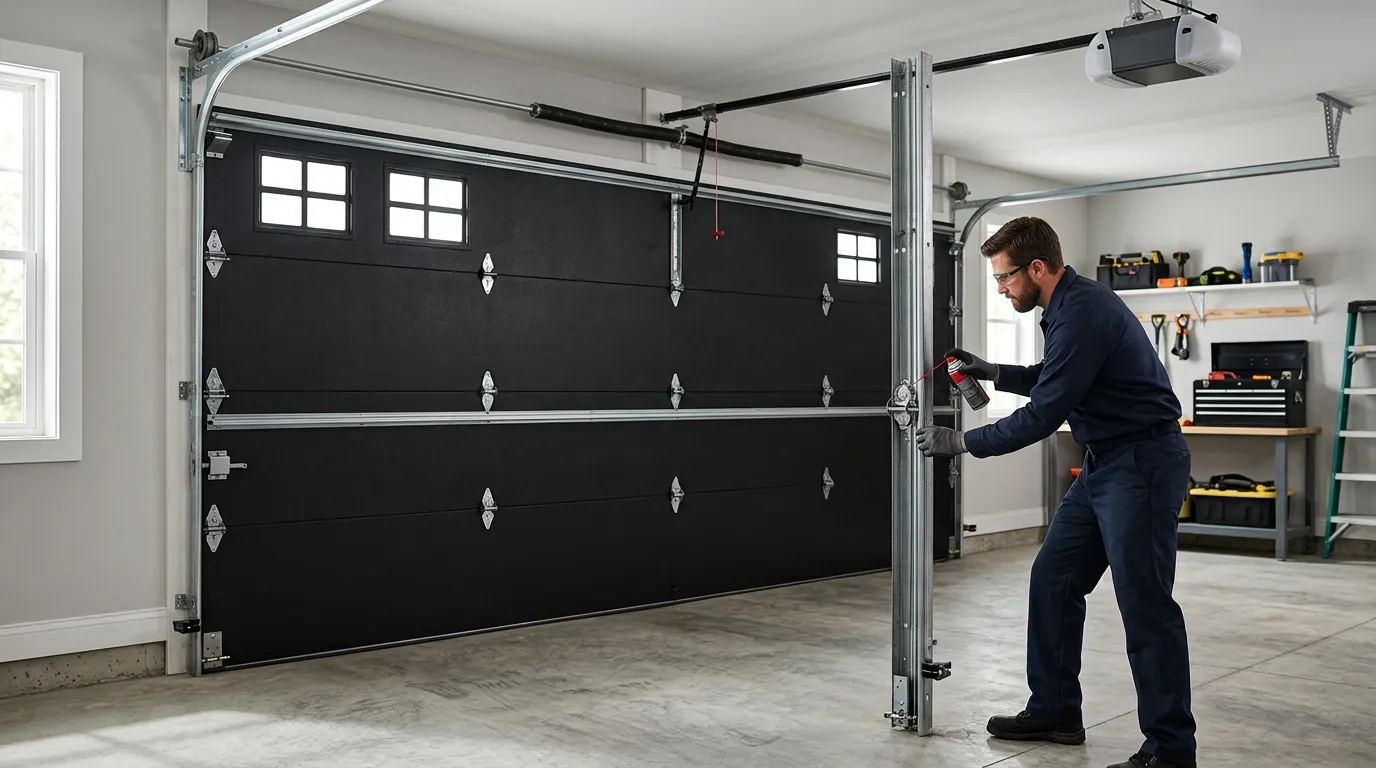
What we do
Garage door work in Plano
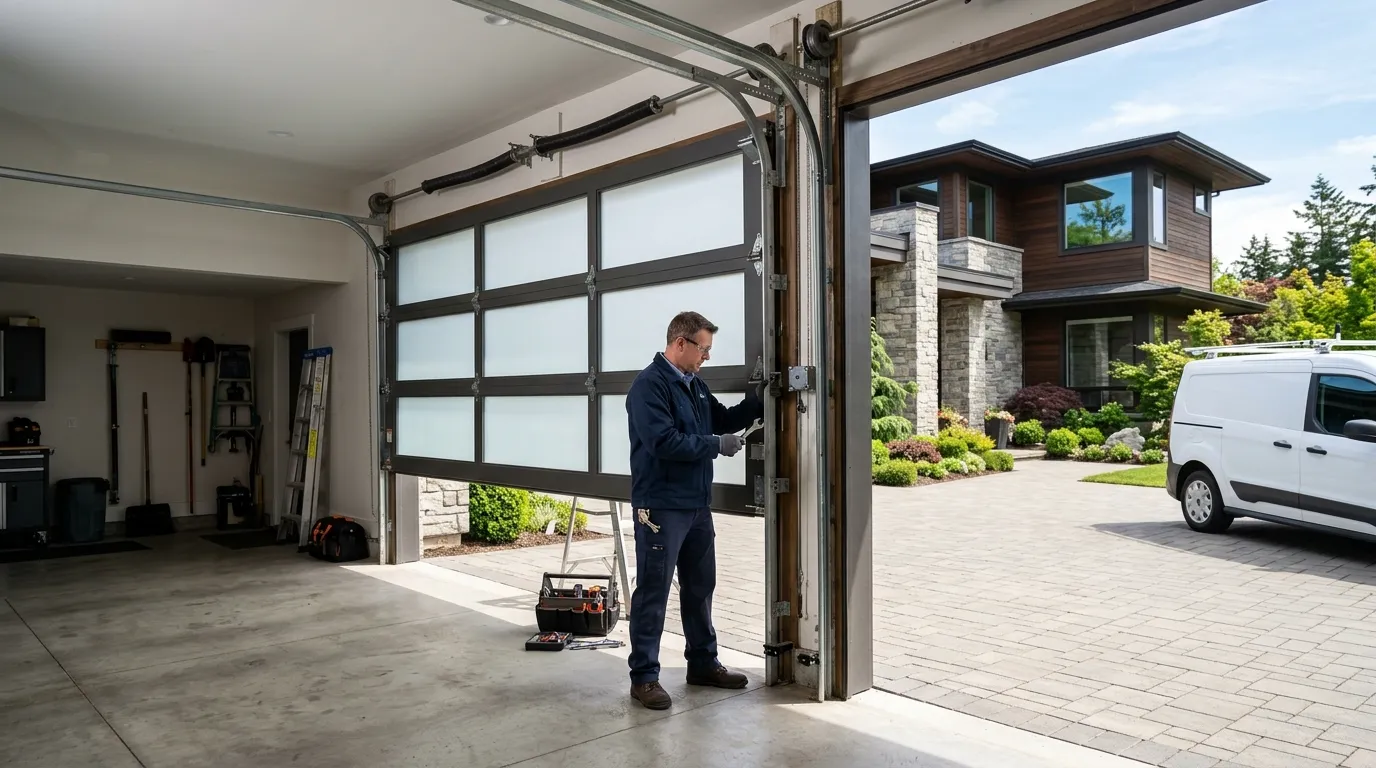
Garage Door Repair for Plano Homes Built 1973 to 2015
Plano homes mostly date from the 2000s building boom - that means original torsion springs and rollers are hitting failure age at the same time. Learn more →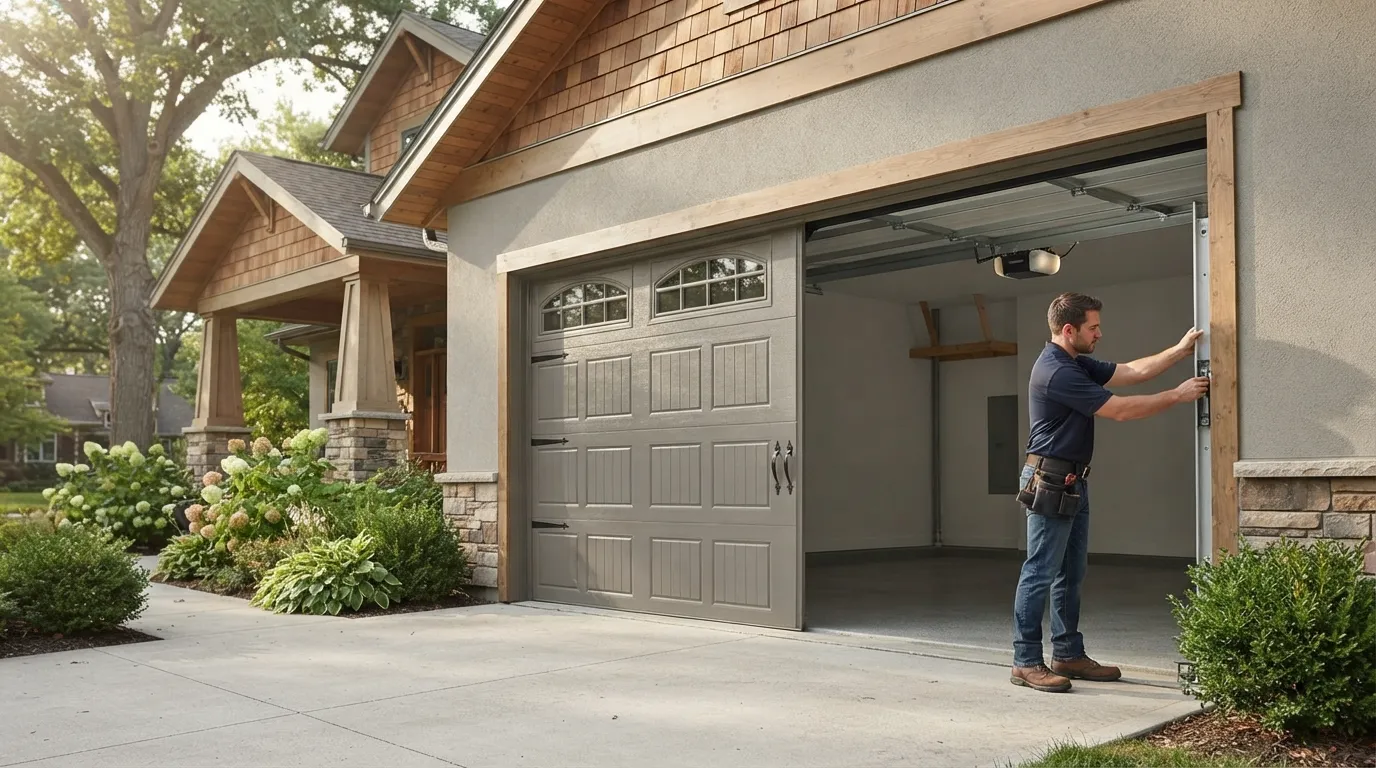
Garage Door Installation Built for Plano's 2000s Housing Stock
Plano Garage Door Pros installs garage doors sized for Plano's 2000s-era homes, matched to local heat and the openings builders used from 1973 to 2015. Learn more →Local detail
Why This Fails Locally
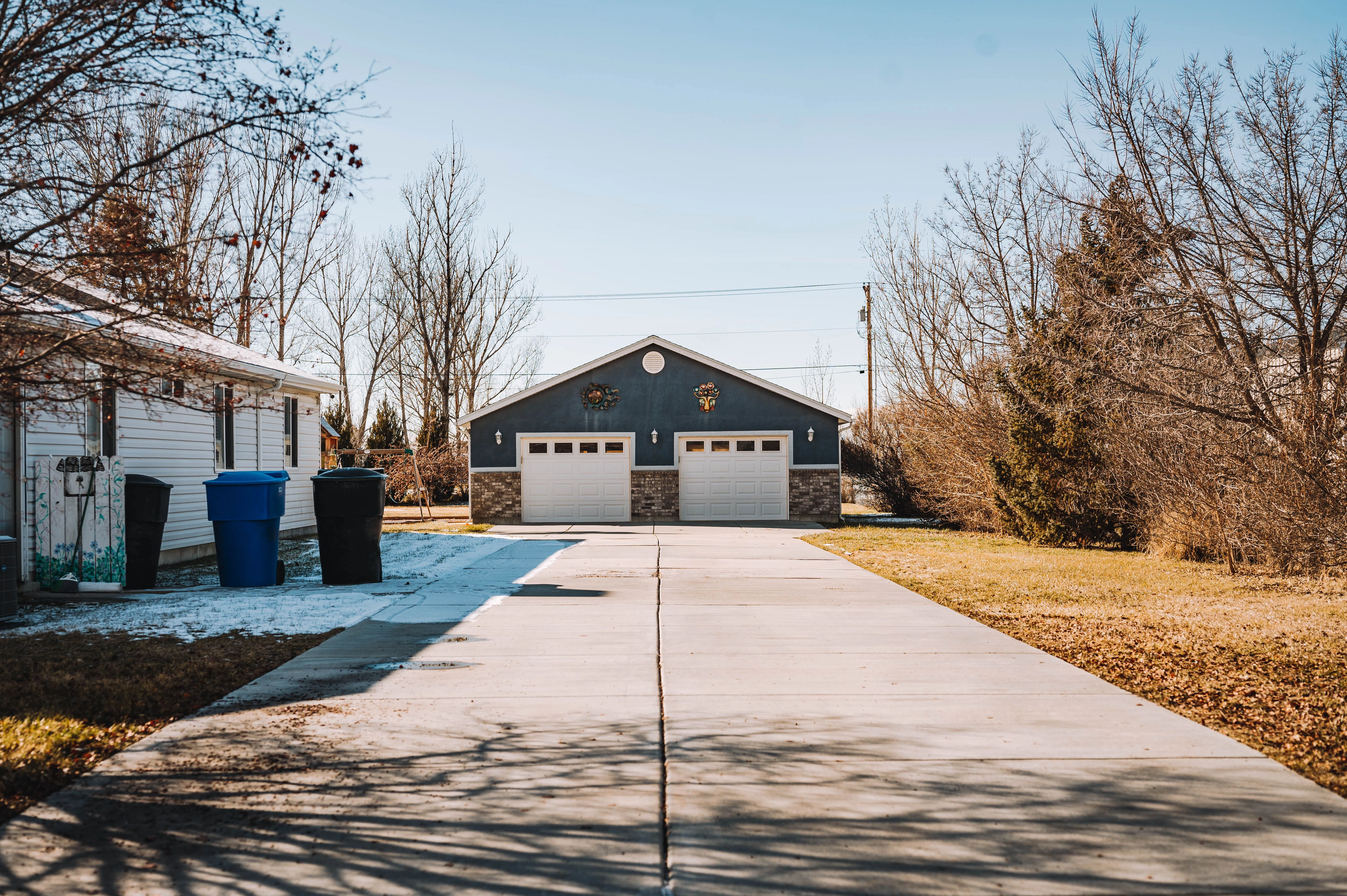
Plano's housing mostly went up between 1973 and 2015, with the median build year landing around 2001. That matters more than people think. A door and opener installed when a house was built has now put in fifteen to twenty-five years of daily cycles, and torsion springs, drive gears, and rollers all have a rated cycle life that doesn't care how well the house was maintained otherwise.
Across the 22 named subdivisions in this service area, the housing is overwhelmingly 2000s-era construction, which means a huge share of garages are hitting spring and opener end-of-life within a few years of each other. This isn't a scattered, random failure pattern - it's a wave tied to a construction boom.
The other piece is heat. This area sits in a moderate heat band, and garages here run hotter than the rest of the house for most of the year. Heat cycles dry out spring lubricant faster, and it stresses the plastic gears inside older chain and belt openers until they strip. A door that worked fine in April can start binding by August for reasons that have nothing to do with how it's used.
The area
What Can Go Wrong
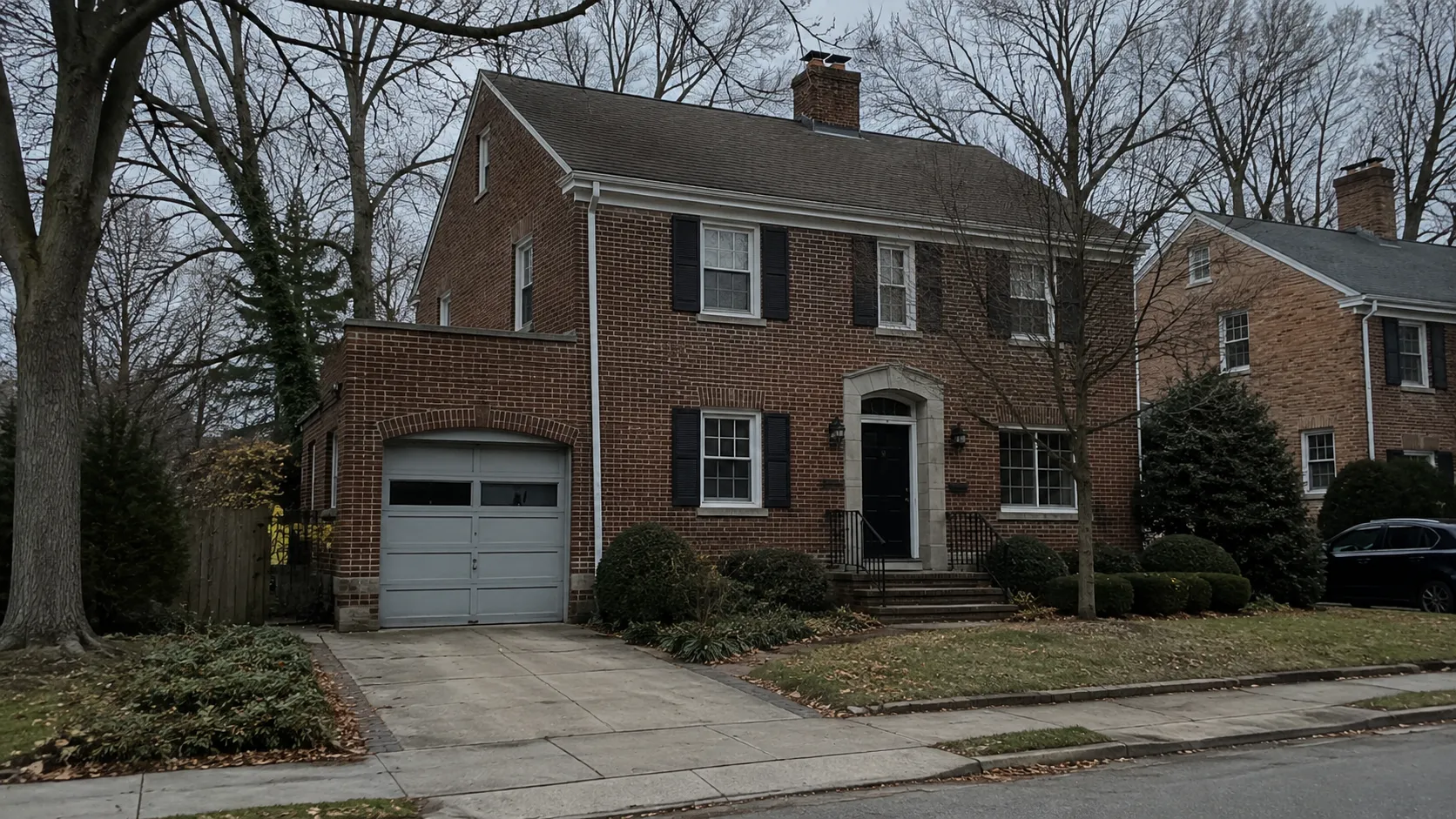
On a 2000s-era door, the torsion spring is usually the first thing to go - it's a wear part with a fixed number of cycles, and most homes in this area are now past or approaching that number. When it breaks, the door won't lift, or it slams down hard because nothing is left to counterbalance the weight.
Openers from that same construction window are commonly on their original drive gear or circuit board. Nylon gears wear down from heat-cycle stress and start slipping under load, which shows up as a motor that runs but a door that doesn't move.
Cables fray at the drum end from the same age and heat exposure, and rollers on steel tracks wear oval instead of round, which throws the door off its rail path. None of this is unusual for a garage this old - it's just what happens to hardware that's been running since a house was framed. What we don't do is replace a whole system when one part is the actual problem; a spring job doesn't need a new opener bolted on next to it.
What we find
How It Shows Up
The most common call is a door that won't budge and an opener motor that's straining or humming - that's almost always a broken or badly weakened torsion spring, and it's dangerous to force since the door plate can weigh well over a hundred pounds unassisted.
A door that jerks, reverses partway, or stutters on the track usually points to worn rollers or a cable starting to fray at the drum. Left alone, a fraying cable can snap under tension, which is a sudden, hard drop.
On the opener side, a motor that runs continuously without the door moving, or a remote that stops responding reliably from the driveway, points to a stripped internal gear - common on units original to a house built in the early 2000s. A door that opens fine in the morning but binds by late afternoon is a heat-driven symptom: metal expansion in the track combined with dried-out lubricant, not a wiring problem.
Any of these can look like "the opener is broken" when the real fault is the spring or track underneath it, which is why a phone diagnosis before a truck roll usually isn't reliable.
How we work
What You Pay
We don't publish flat prices here because the honest driver of cost isn't the town, it's the specific part and the door's age. A spring job on a standard double door is a different job than a full torsion conversion on hardware that's twenty years old and no longer made to the same spec.
What we can say: this area's housing stock means a lot of doors are original 2000s-era systems, and original parts on older openers sometimes aren't stocked on the truck the same day - that's a real limitation, not a stall tactic, and we'll tell you upfront if a part needs to be ordered rather than guess and waste your afternoon.
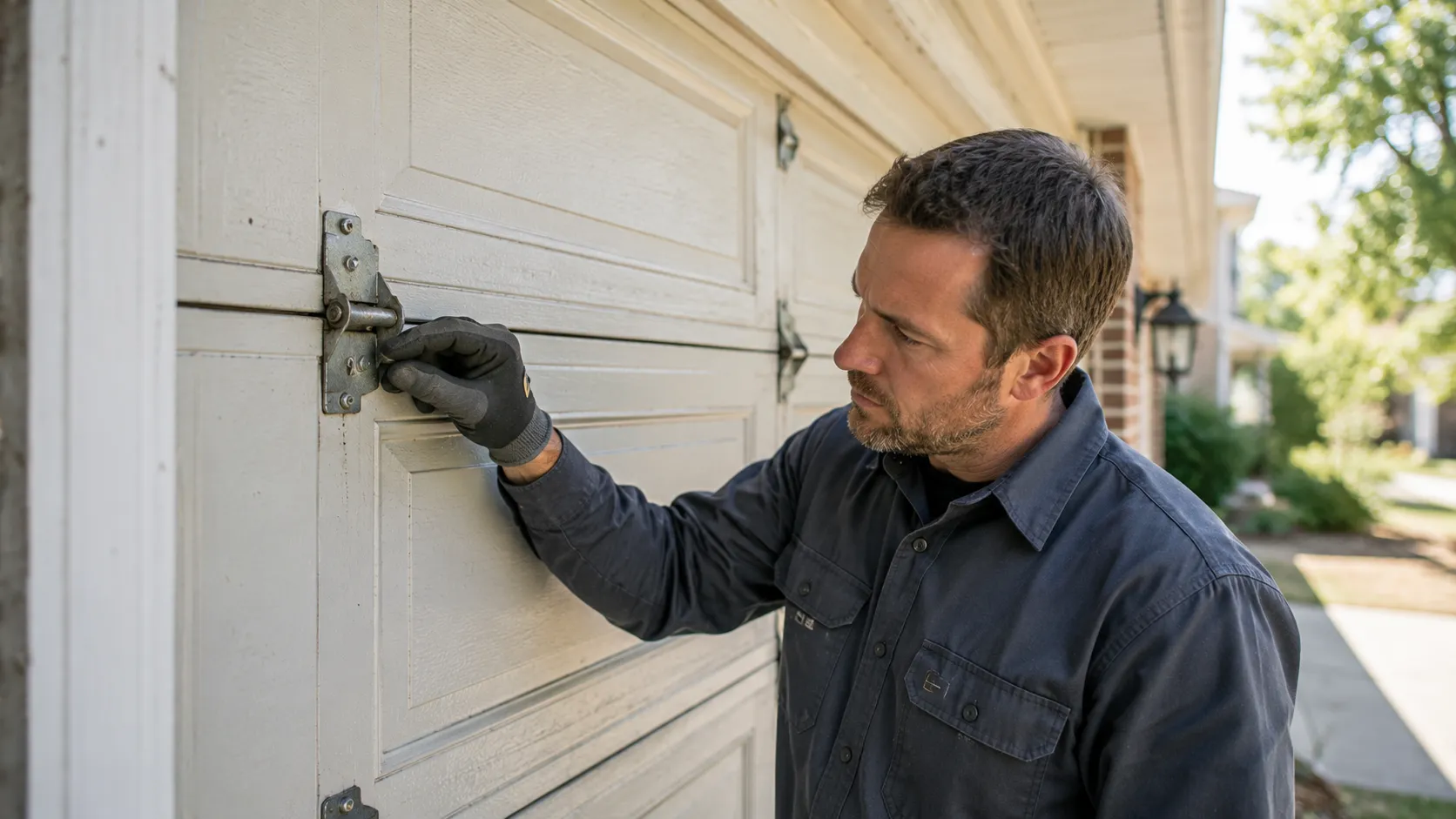
We quote after we look at the actual spring size, drum, and opener model, not off a phone description, because two doors that look identical from the driveway can need completely different parts.
Questions
Common questions
Why did my garage door spring break with no warning?
Torsion springs have a rated number of open-close cycles, and most homes in this area are now old enough to be at or past that number. Heat cycling in the garage speeds up lubricant breakdown too, so a spring that looked fine can finally give out on an ordinary day, not a stressful one.
Is it normal for my opener to strain but the door not move?
That's usually the spring, not the opener. The motor is trying to lift the full weight of the door because the spring isn't assisting anymore. Running the opener repeatedly in that state can burn out the motor, so it's worth stopping and getting the spring checked first.
Do you carry parts for older openers on the truck?
For common spring sizes and rollers, usually yes. For original gear kits or boards on openers from the early 2000s building boom, sometimes we need to order the part - we'll tell you that at the time of diagnosis rather than after we've already started the job.
Ready when you are
Need a garage door sorted in Plano?
Plano Garage Door Pros repairs and installs garage doors, springs and openers in Plano, TX and the surrounding area.