
First-time spring failure
We carry those sizes on the truck. What we don't stock is anything custom: odd-width doors, discontinued opener logic boards, or spring wind patterns from a hardware line nobody's made in years.
Melissa, Plano
Melissa's garage doors are mostly 2015-and-newer builder stock, not decades-old hardware. We drive the 20 miles from Plano to fix springs, openers and tracks reaching their first real failure point.
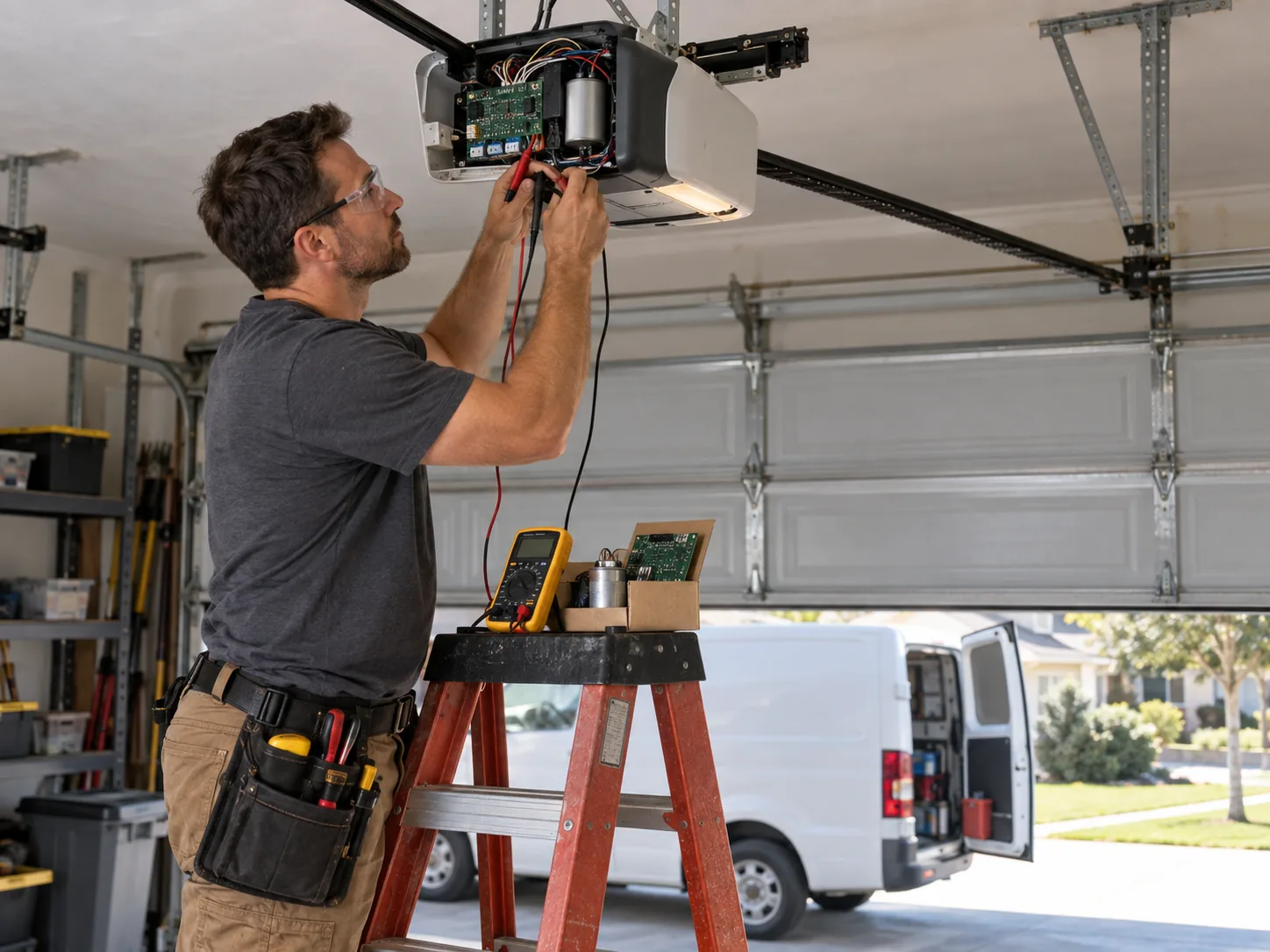
The repair
Melissa is one of the newer builds in this part of the map - median year built is 2015, well past the 2001 median for the wider service area we cover out of Plano.
That matters for what breaks and when. A house built in 2015 still has its original torsion spring, its original opener, its original hardware in most cases. Nobody's replaced anything because nothing's failed yet, or it's failing for the first time right now.
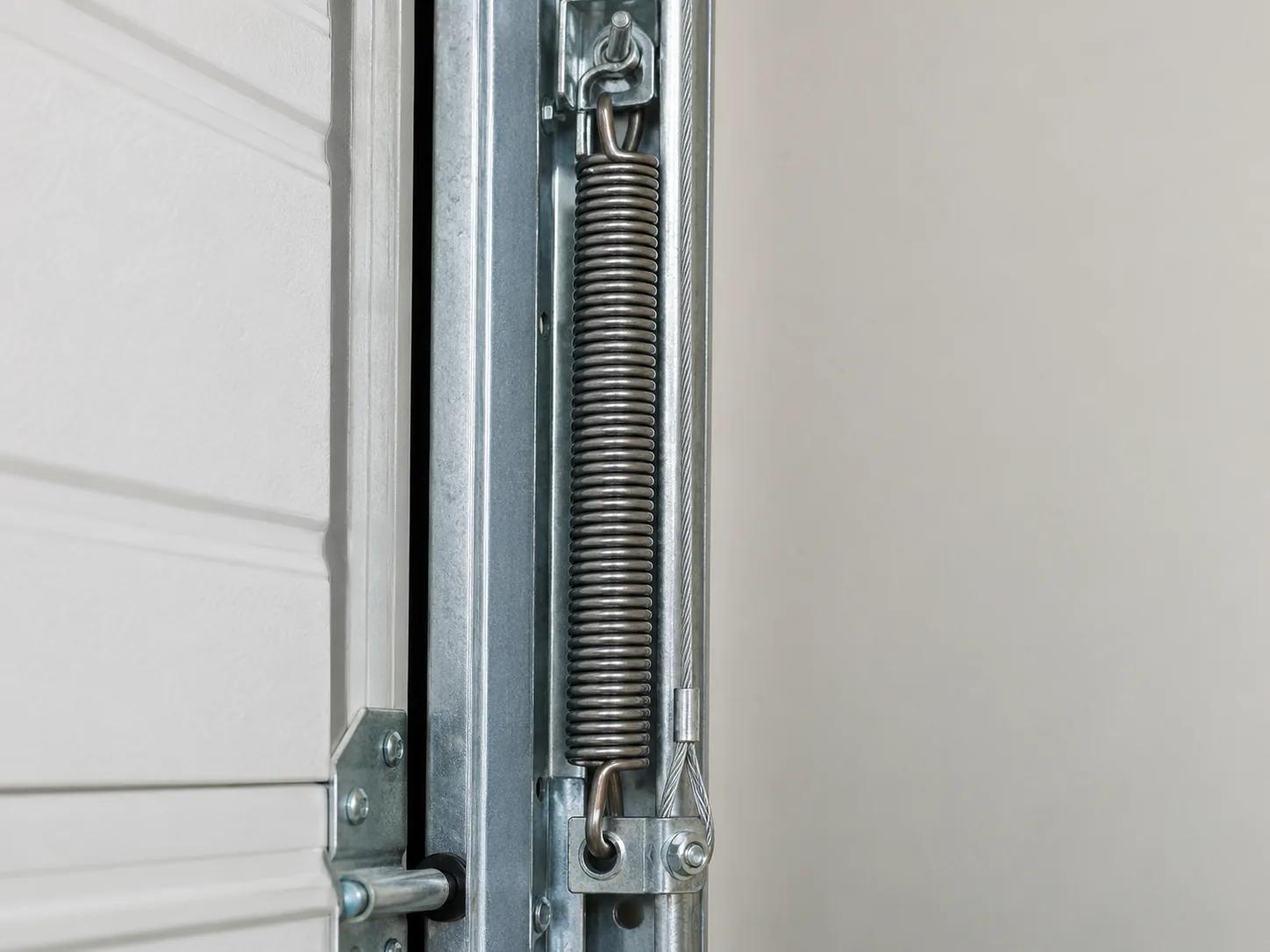
Springs are rated for a number of cycles, not years, but on a typical household that works out to somewhere around 7-10 years before fatigue cracks show up. Melissa crossed that window recently. If your door dropped fast, sounds like a snap, or the opener strains and reverses, that's usually a spring at the end of its factory life, not a defect.
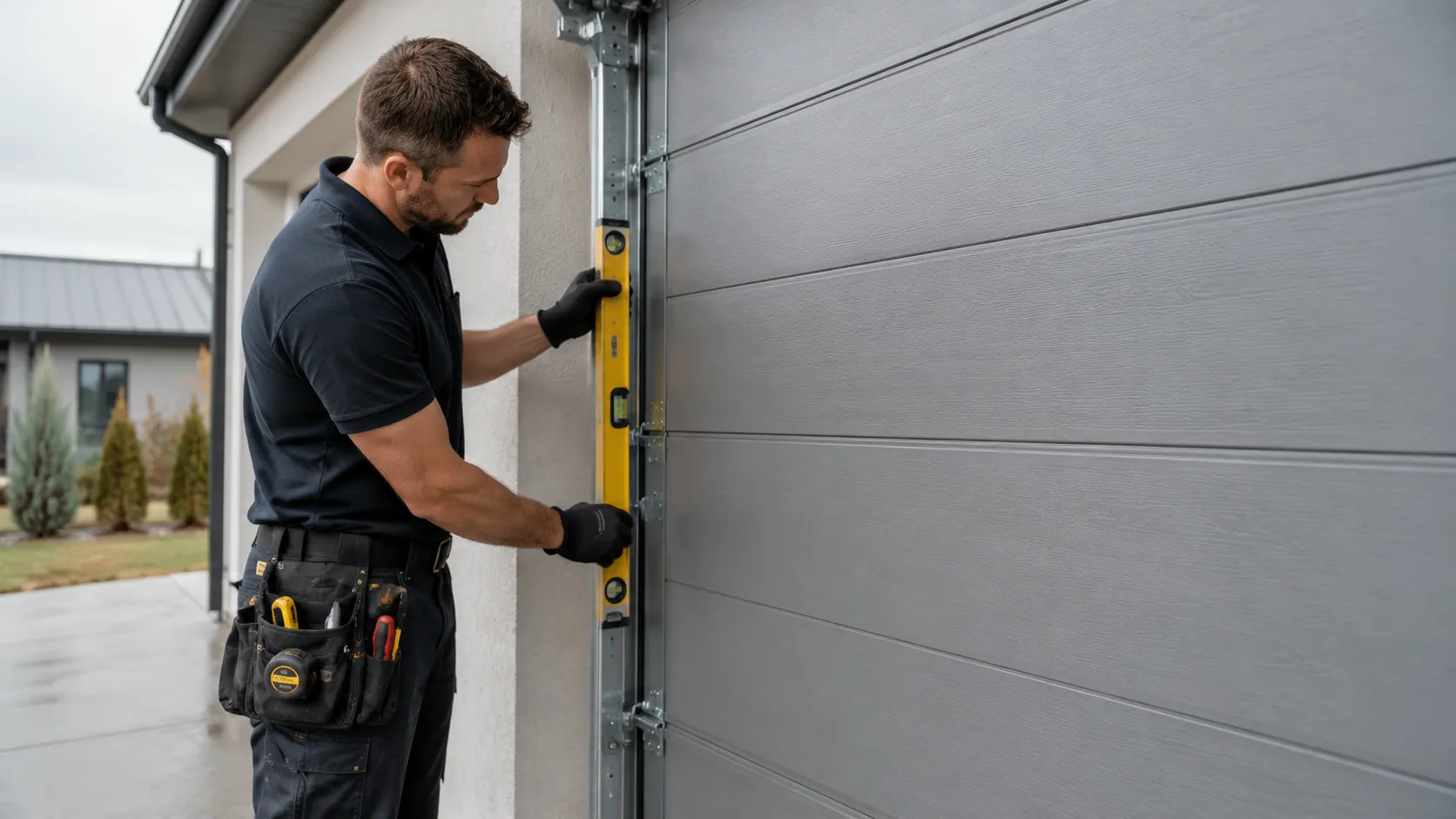
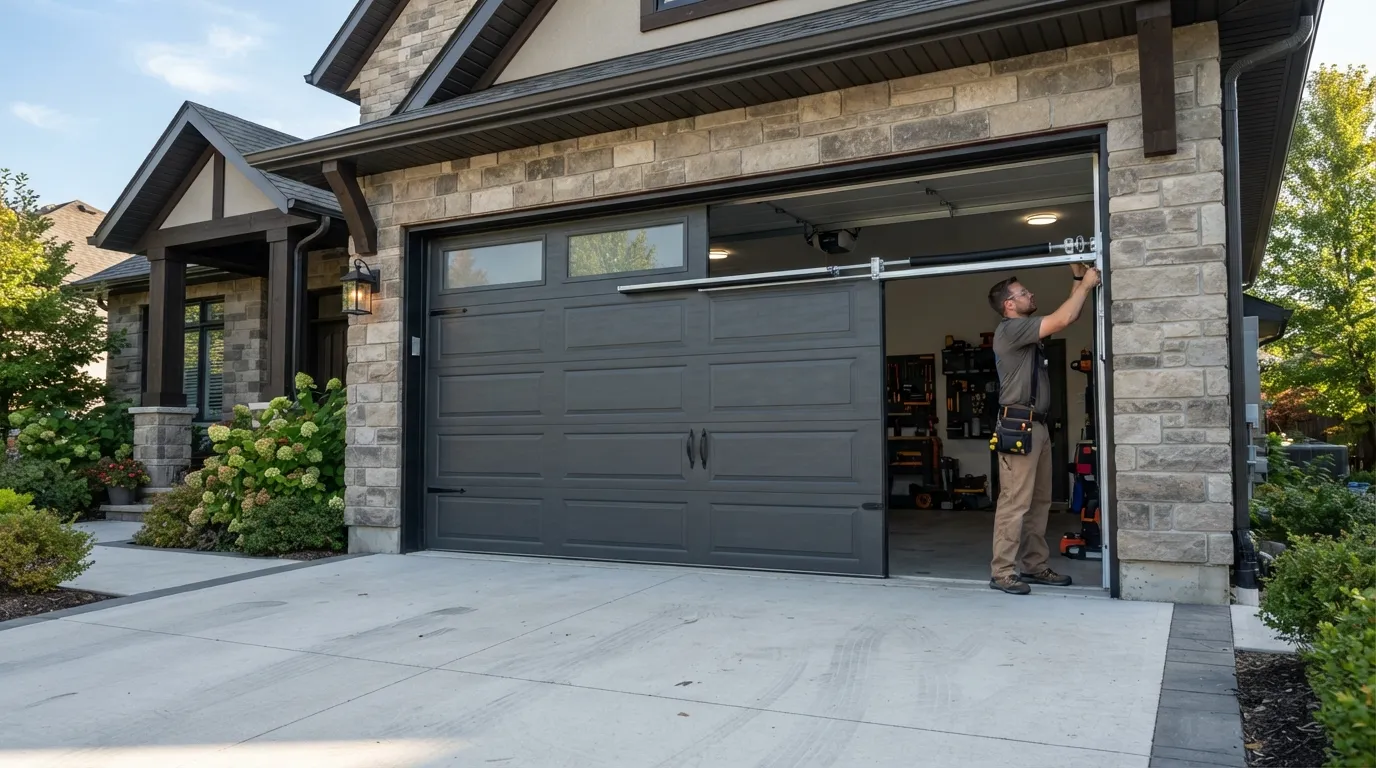
The fix is the same one it would be on a house half this age: pull the broken spring, match the wire gauge and wind to the door's weight, set the new one under tension, and check the cable drums and bearing plates while we're in there since they've had the same run time. What we won't do is quote a fix over the phone without seeing the door. Spring sizing on a mis-set garage costs you a callback and us a wasted trip.
On the truck
Because Melissa's stock is mostly one era - 2000s-and-newer construction, builder-grade hardware - the parts that fail here are a narrow, predictable set: standard-wound torsion springs sized for the two most common door weights, nylon and steel rollers, and the lighter-duty openers that came standard with production-home installs.
We carry those sizes on the truck. What we don't stock is anything custom: odd-width doors, discontinued opener logic boards, or spring wind patterns from a hardware line nobody's made in years.
That's rarer out here than in the older parts of the service area, but it happens, and if it's your door, we'll tell you it's a special order rather than pretend otherwise. Texas summer heat is the other factor. The service area sits in a moderate-heat climate band, and that heat cycles steel and stiffens lubricant on tracks and hinges.
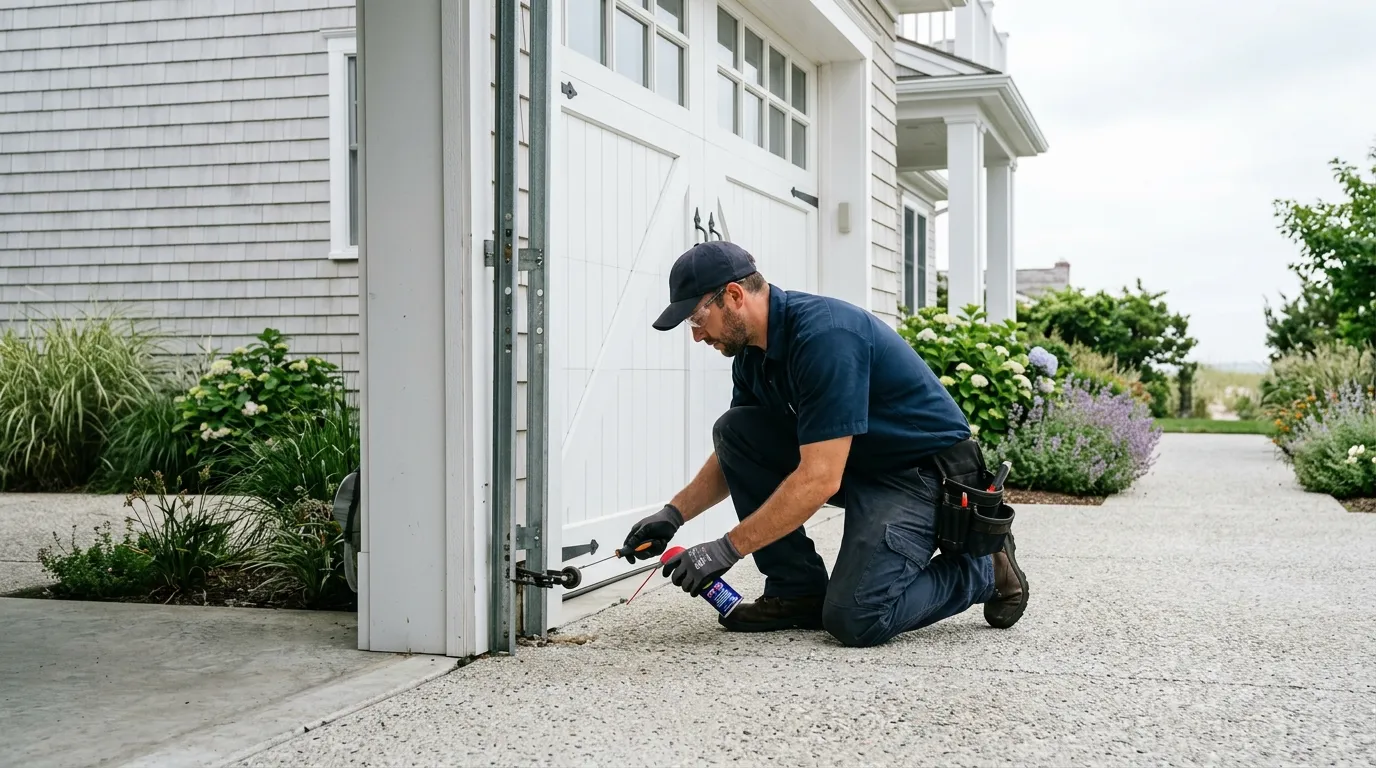
On newer builds like Melissa's, that shows up first as a noisy or sticking door rather than outright failure - the grease the builder used is drying out around the same age the door itself is. We regrease and re-seat hardware as part of most spring calls, since it's already open and the labor's already there.
Booking
We run the truck from Plano, and Melissa is a straight 20 miles out. Households here skew smaller in number than most of the towns on our coverage map - 5,333 total, well under the 78,389-household total across the wider service area - but the calls we get from Melissa are consistent: a spring or opener from a 2015-era build hitting its first real failure.
Median household income here runs $137,875, above the $121,724 median for the service area as a whole, which tends to mean owners want the job done right the first time rather than patched twice. We quote the repair on site once we've seen the spring size, the door weight, and what else the same age and wear has done to the track and rollers.
For the full rundown on what we handle in Melissa day to day, see the [Melissa garage door repair page](/melissa-garage-door-repair/). If you're comparing us against what we cover from the Plano side generally, that's on the [Plano emergency garage door repair page](/emergency-garage-door-repair-plano-tx).
Warning signs
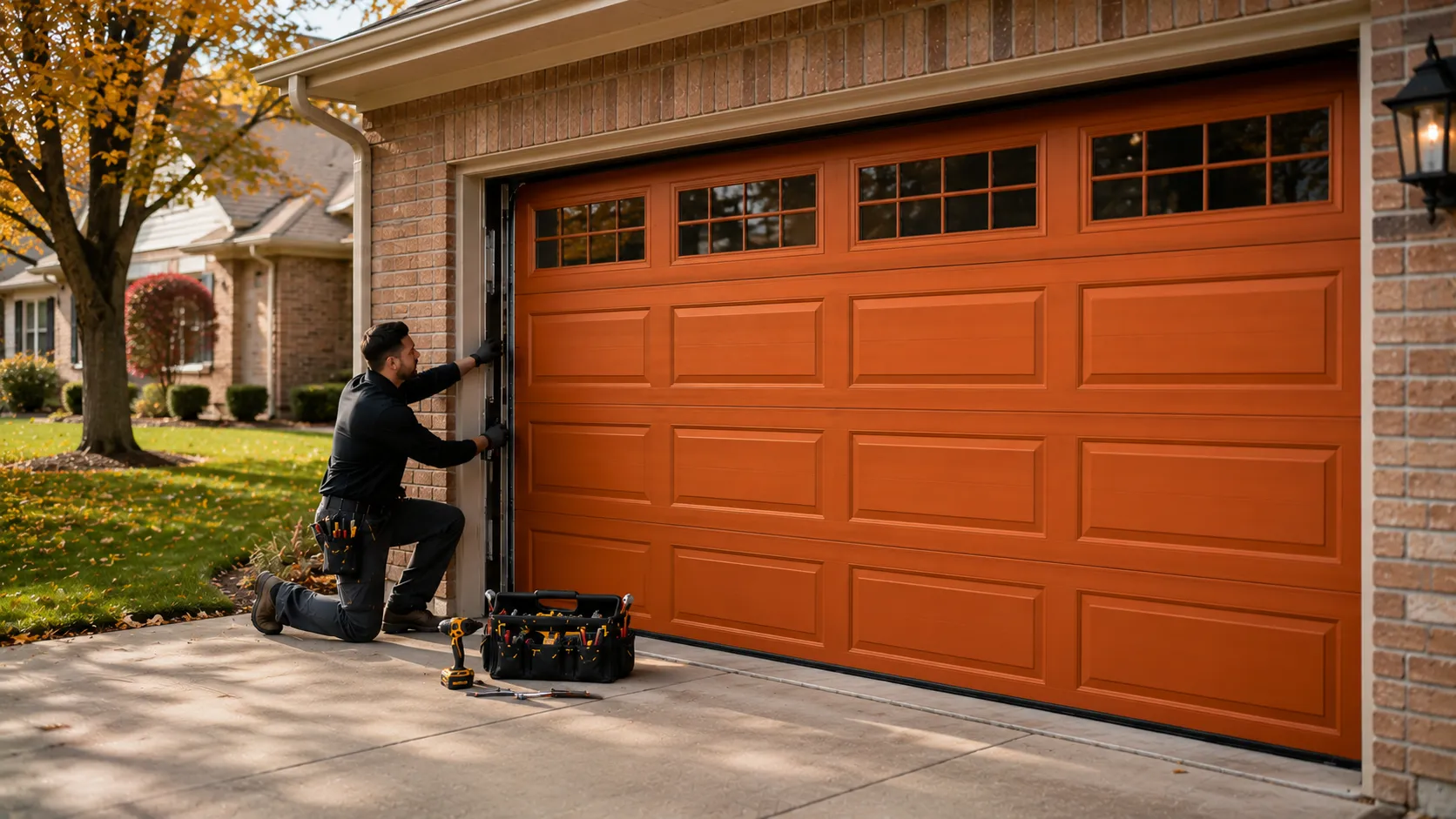
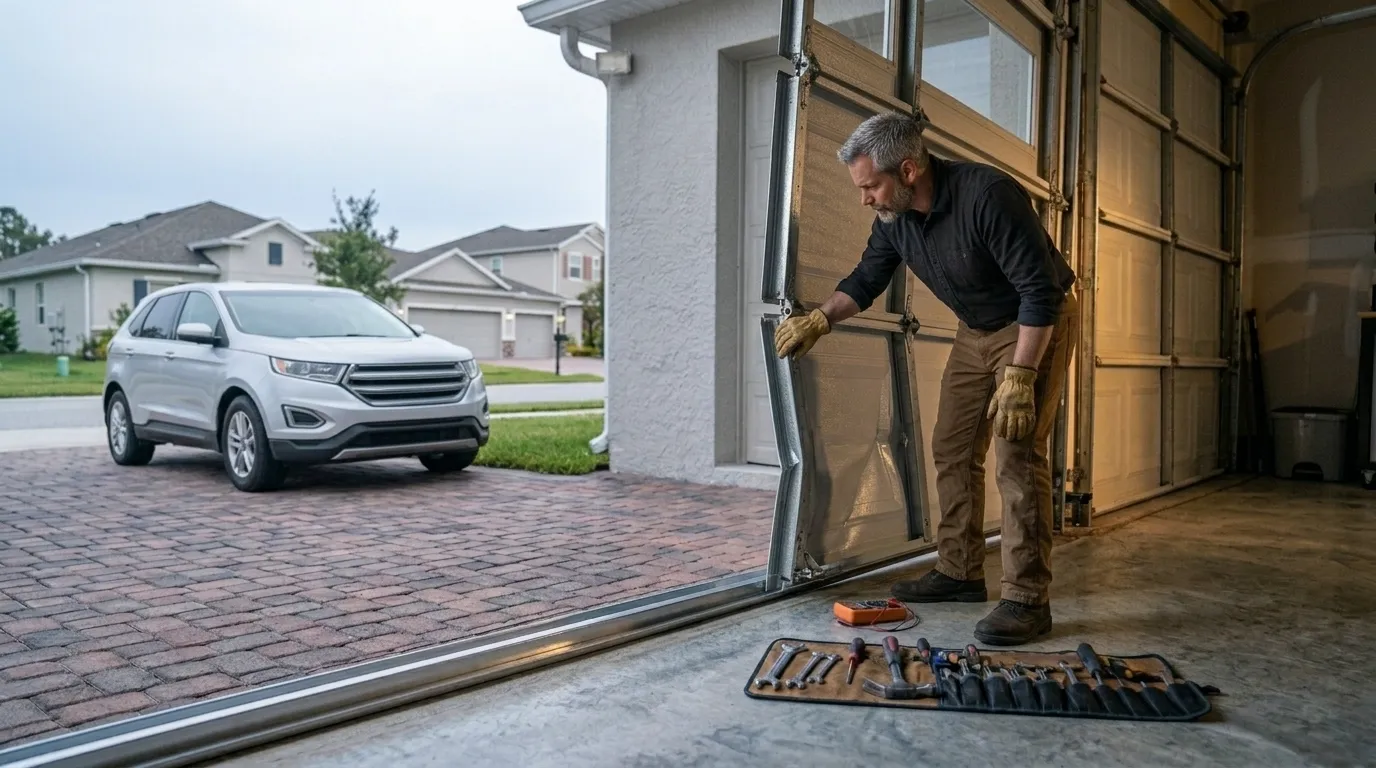
On a newer build, garage door trouble rarely comes as a slow decline - it comes as a sudden stop. The door drops an inch and won't move, the opener grinds and reverses, or you hear a bang from the garage and the door won't budge either way.
That's consistent with a first-time spring failure on hardware that's been running fine for a decade and just used up its cycle count. A door that's noisy but still moving, or drifting off-track slightly, is usually the grease-and-alignment issue rather than a broken spring - less urgent, but worth a call before it becomes the emergency version.
Either way, don't try to force a stuck door open by hand if a spring's gone; a broken torsion spring under a door that's still up is holding a lot of stored tension, and that's not a DIY fix.
One honest limit: if the opener's logic board is what's failed rather than the mechanical parts, and it's an older or discontinued model, we may need to order the board rather than swap it same visit. We'll tell you that up front instead of guessing at a timeline.
Questions
Torsion springs are rated in cycles, not years. A household using the door a few times a day typically reaches spring fatigue somewhere around the 7-10 year mark, and Melissa's median build year of 2015 puts a lot of houses right in that window now. It's normal wear, not a sign the door was installed wrong.
No. We're based in Plano and drive out to Melissa, about 20 miles. We don't operate a depot or branch in Melissa itself, so we can't promise a fixed response window for the town - we quote and schedule once we know the job.
We don't have warranty term data for builder-installed openers, so we can't tell you that without seeing the unit and any paperwork you have. We can diagnose the fault on site and tell you whether a repair or a replacement makes more sense.
Explore more
Ready when you are
Plano Garage Door Pros repairs and installs garage doors, springs and openers in Plano, TX and the surrounding area.