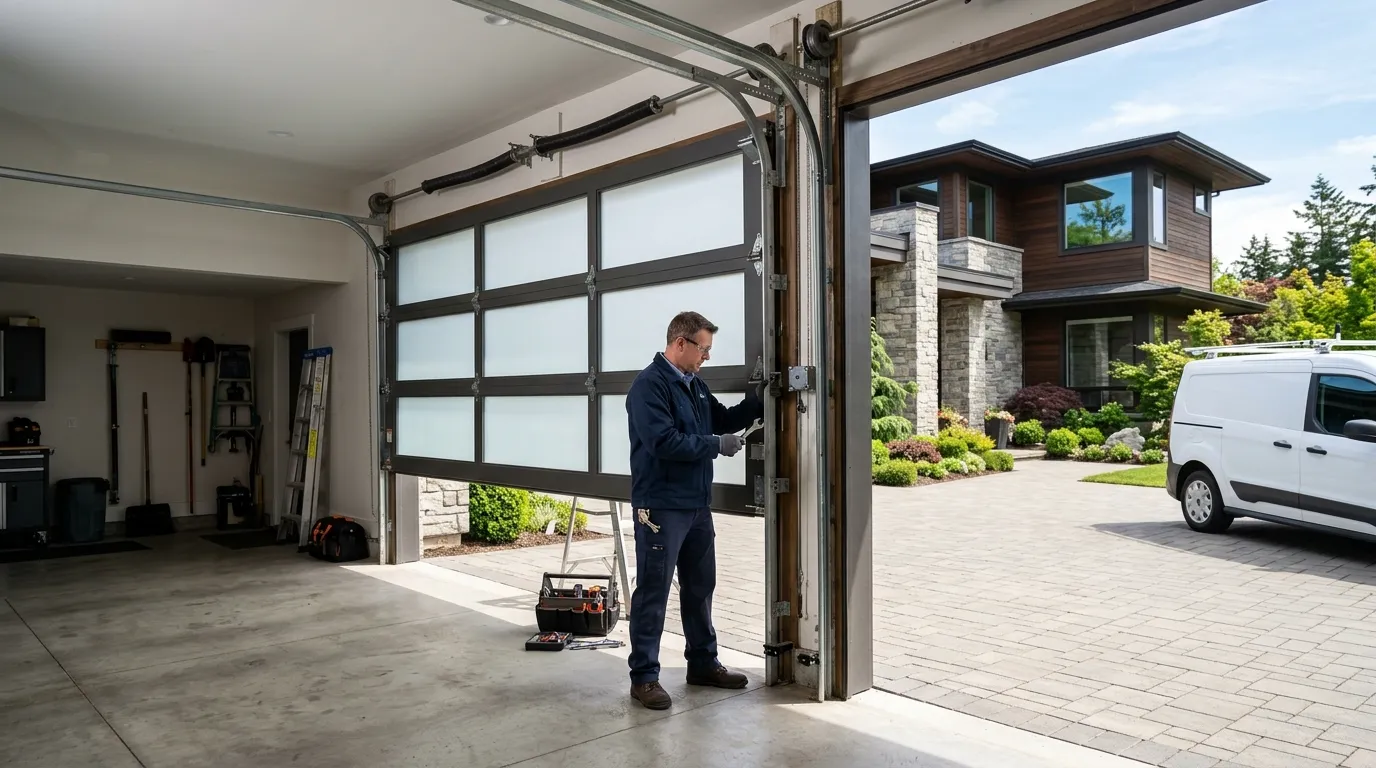
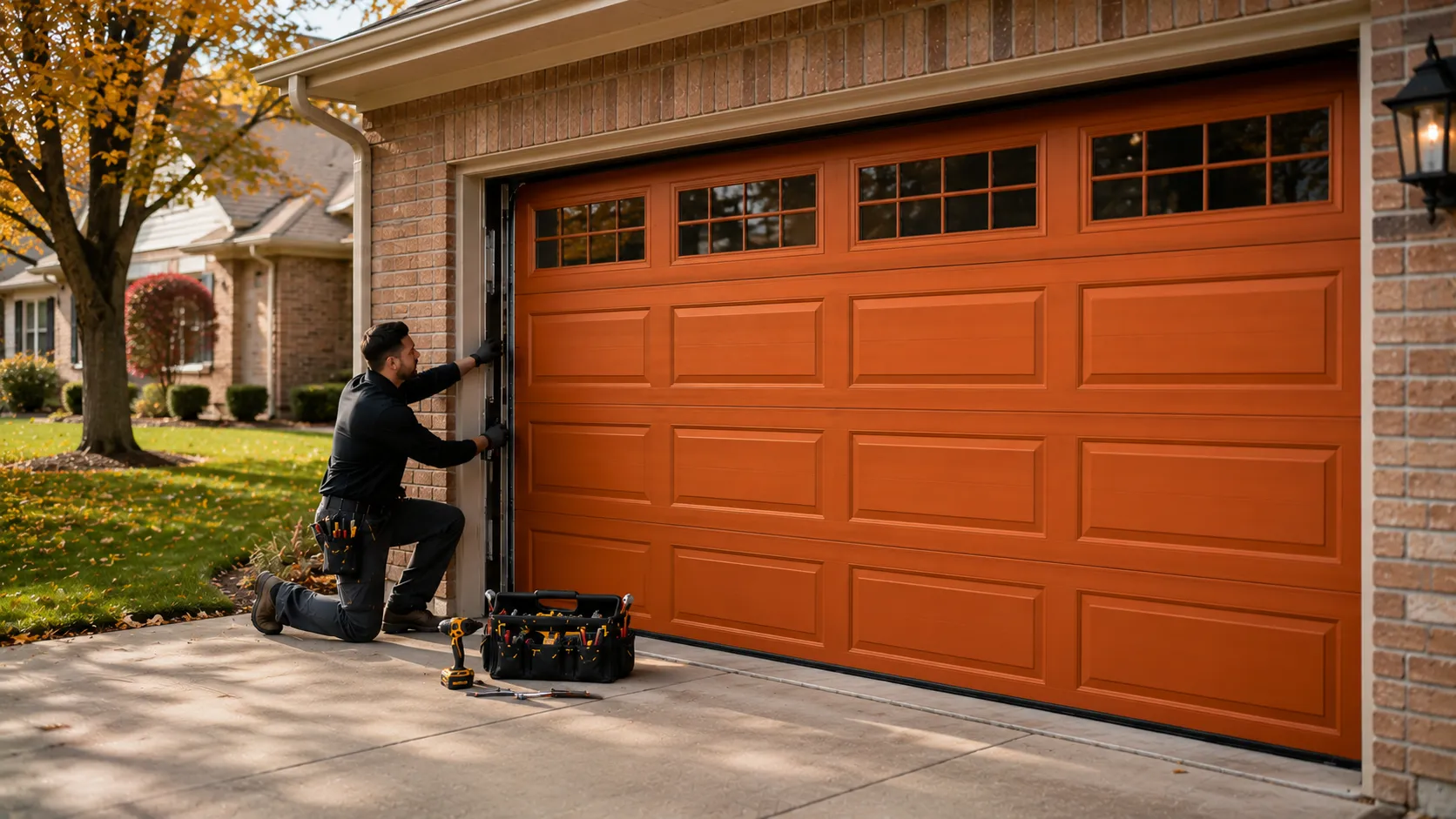
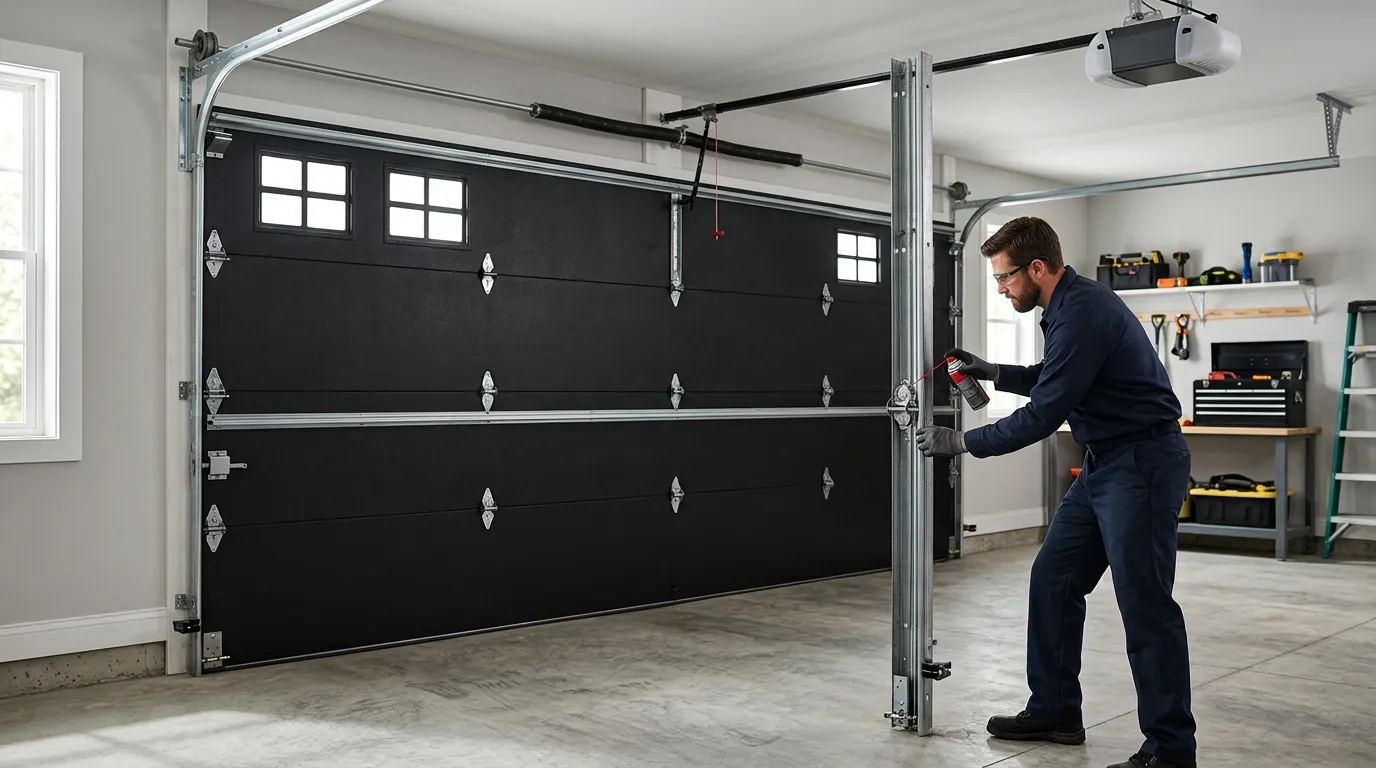
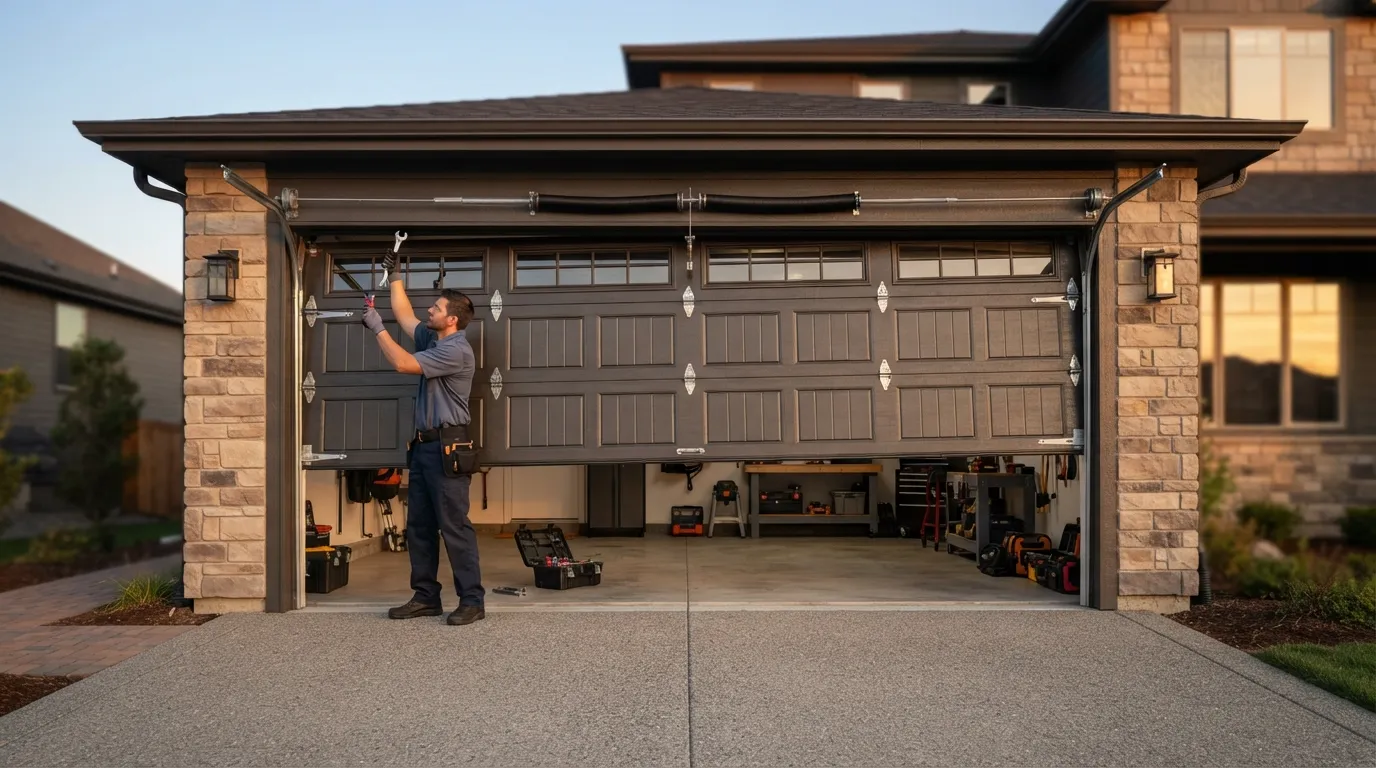
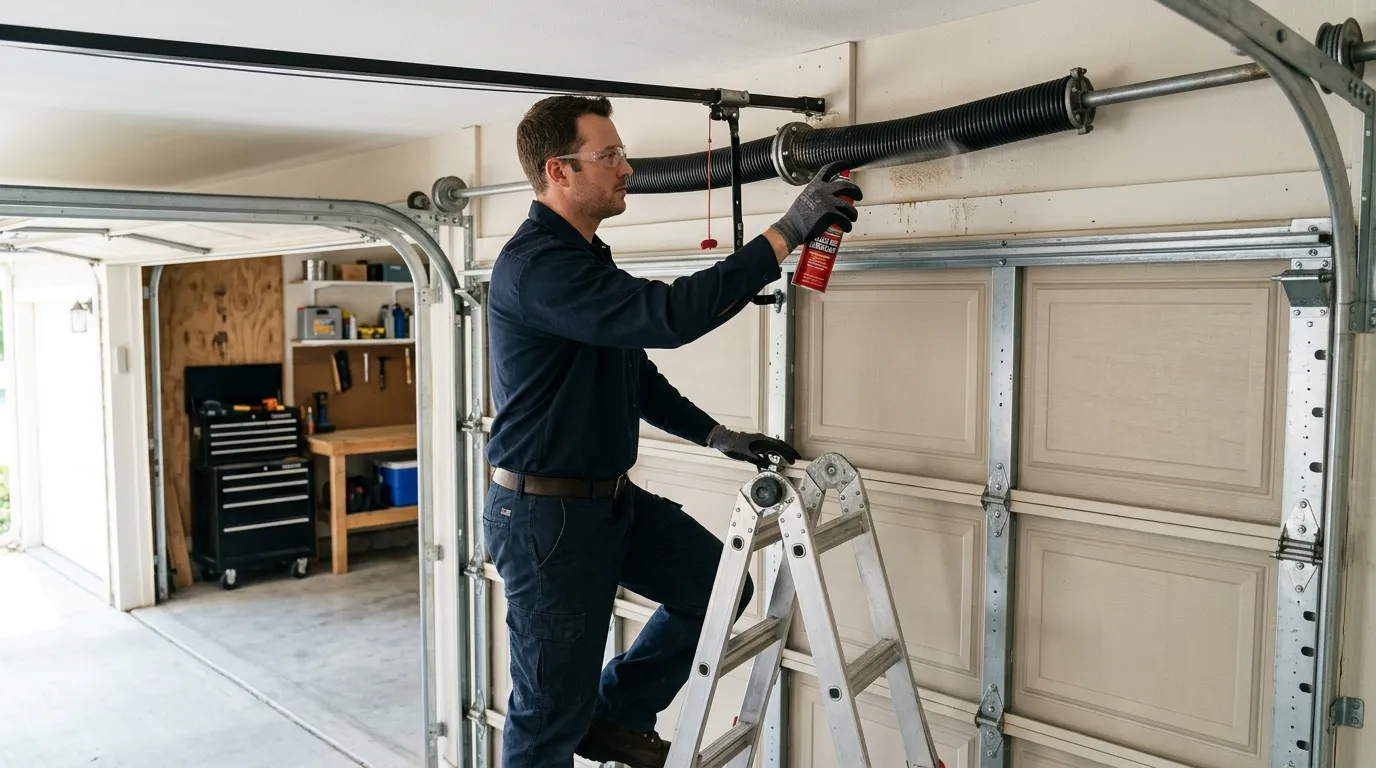
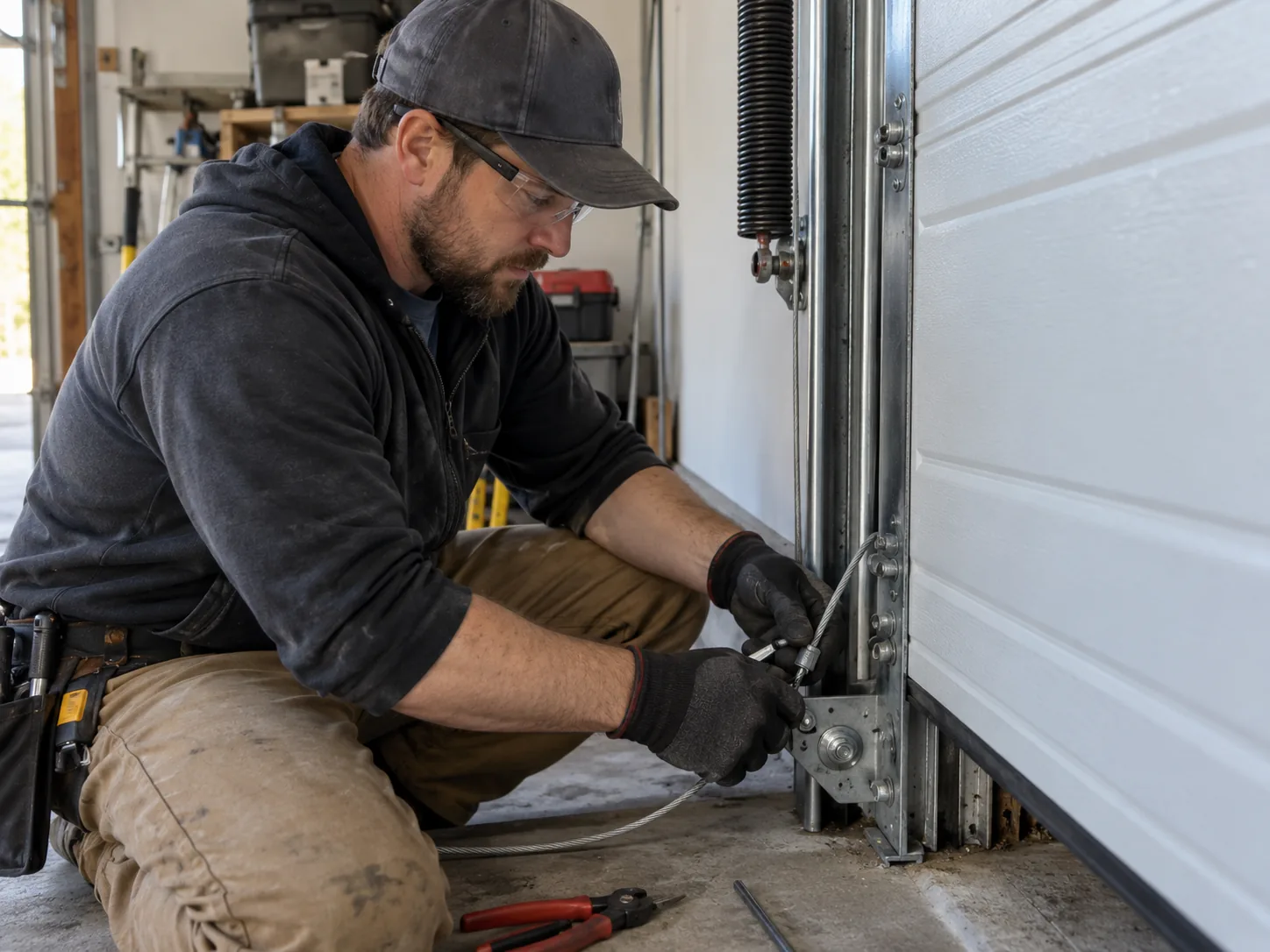
Plano's housing stock runs 1973 to 2015, with the median year sitting at 2001 and most of the 22 named areas we work in dominated by that 2000s building wave. That matters more than it sounds like it should. Torsion springs are rated for a fixed number of open-close cycles, usually somewhere around fifteen to twenty years of normal use, and a house built in 2001 or 2003 is now sitting right in that window. When a whole subdivision goes up in the same three or four year stretch, the springs in it start failing in the same three or four year stretch too.
Add the heat. Plano sits in a moderate-heat band, which doesn't sound extreme next to places further south, but it's enough to put steel track and the coil itself through a daily expand-and-contract cycle for most of the year. That cycling is what work-hardens a spring and turns a slow wear pattern into a sudden snap, usually on the coldest morning after a long stretch of heat. It's not bad luck. It's the age of the house and the weather doing what they do to hardware that was never meant to last forever.
We see this pattern most in the areas with concentrated 2000s construction - houses that all started their spring life around the same year are now all ending it around the same year.