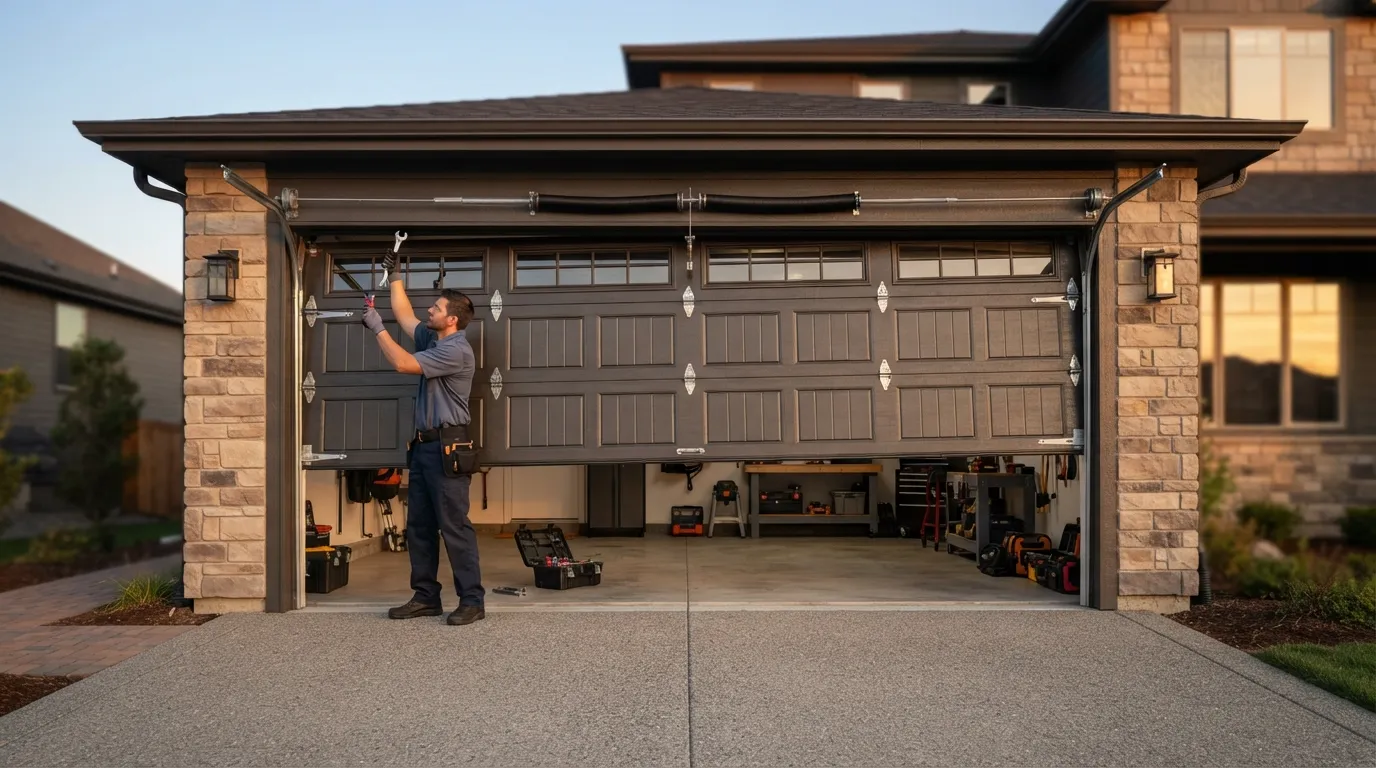
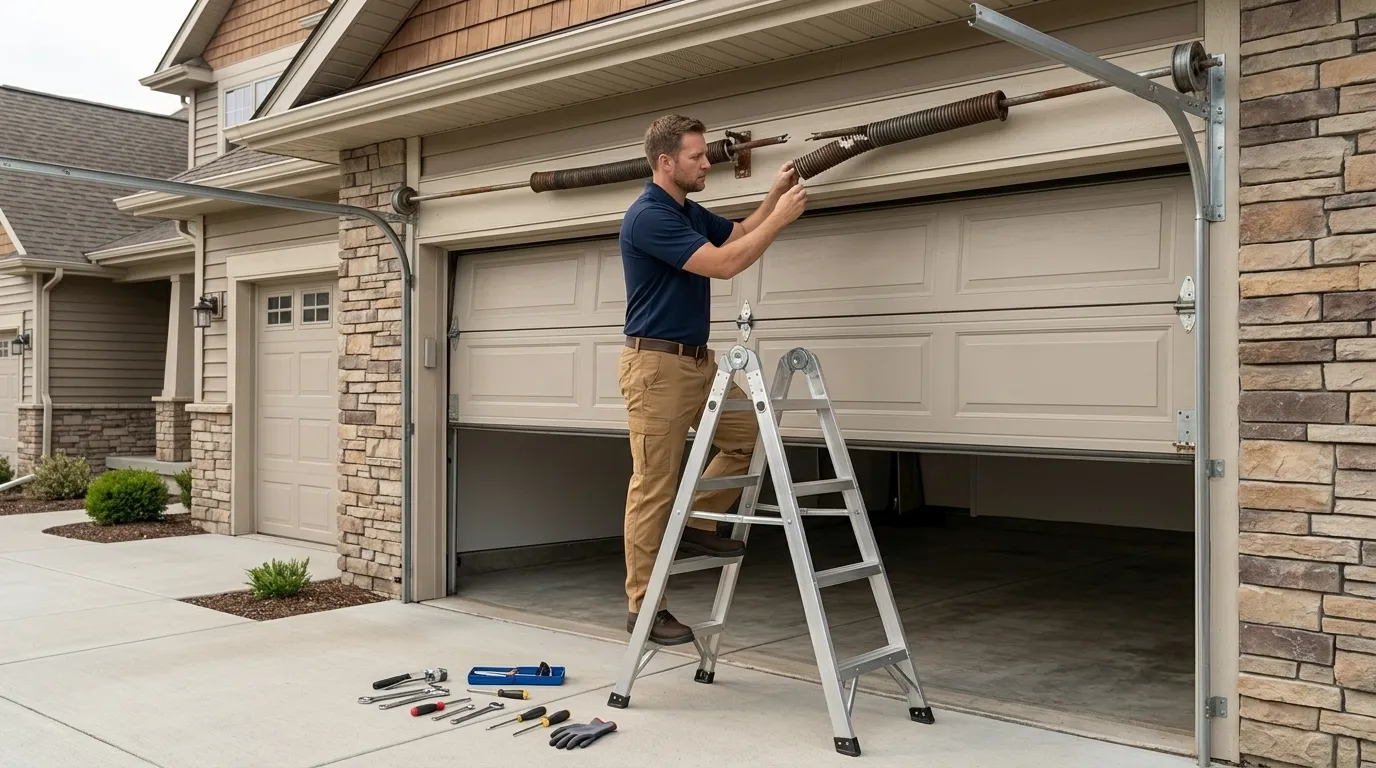
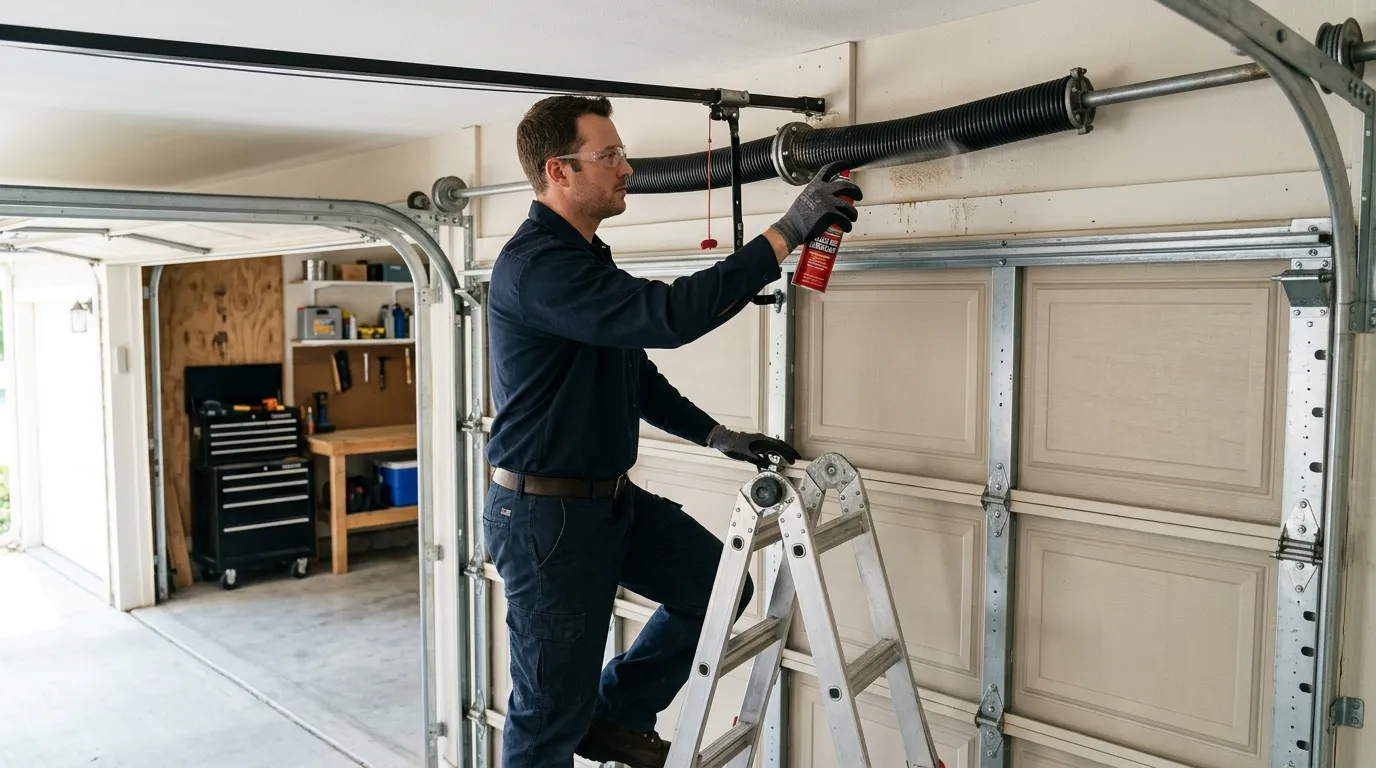
Homes across this service area were built mostly between 1973 and 2015, with the median build year landing around 2001. That's not a random spread - across the 22 communities we cover, the housing stock clusters heavily in the 2000s. What that means for springs: a torsion spring is rated for a set number of open-close cycles, typically somewhere around 10,000, and a door used a few times a day burns through that count in a fairly predictable window. A huge share of doors in this area are hitting that mark now, within a few years of each other, because they went in around the same time.
The climate band here sits in the moderate-heat range, not the deep-freeze band that cracks steel through repeated thermal contraction further north. That's actually relevant: it means the springs failing here aren't failing because of weather extremes. They're failing from straightforward mechanical fatigue - cycle count, not cold snaps. If you're hearing that a neighbor's door failed the same month yours did, it's not a coincidence. It's the housing stock aging on the same clock.
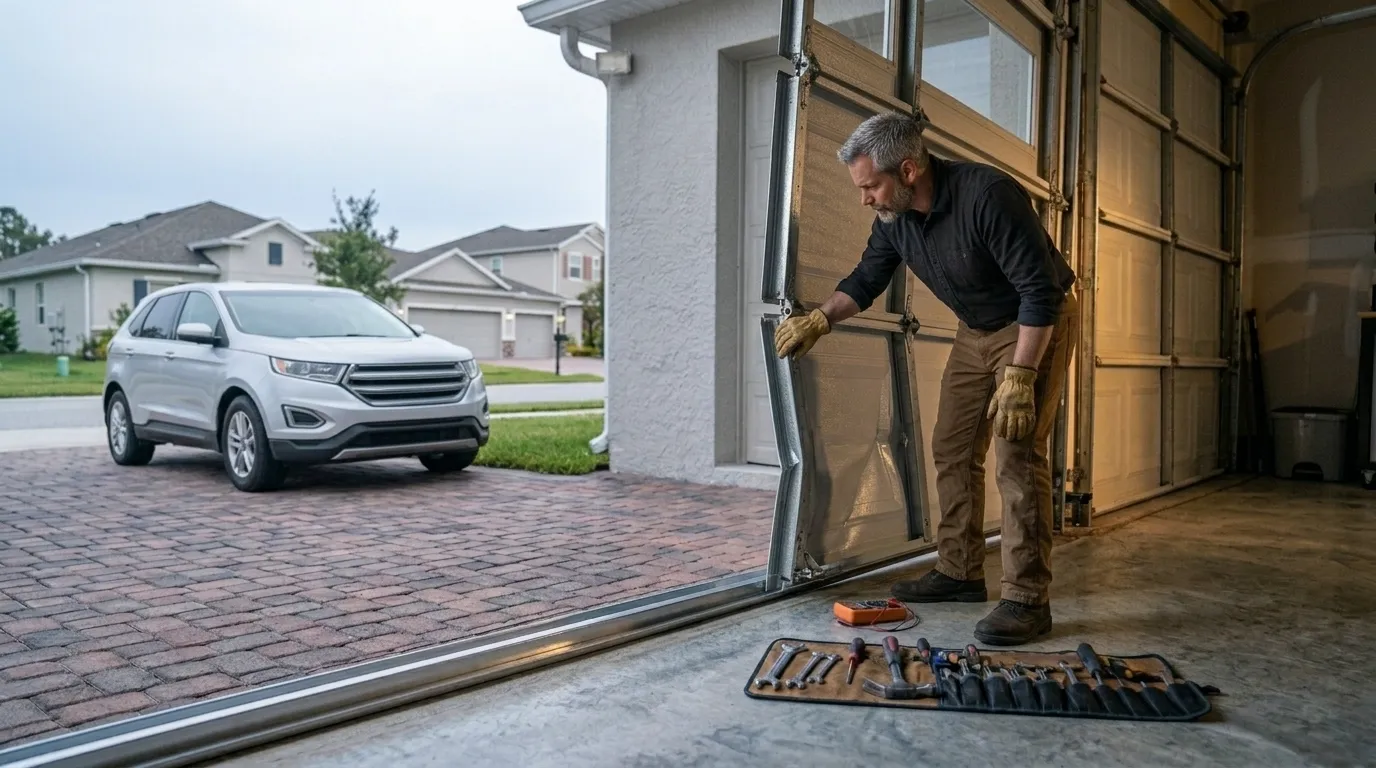
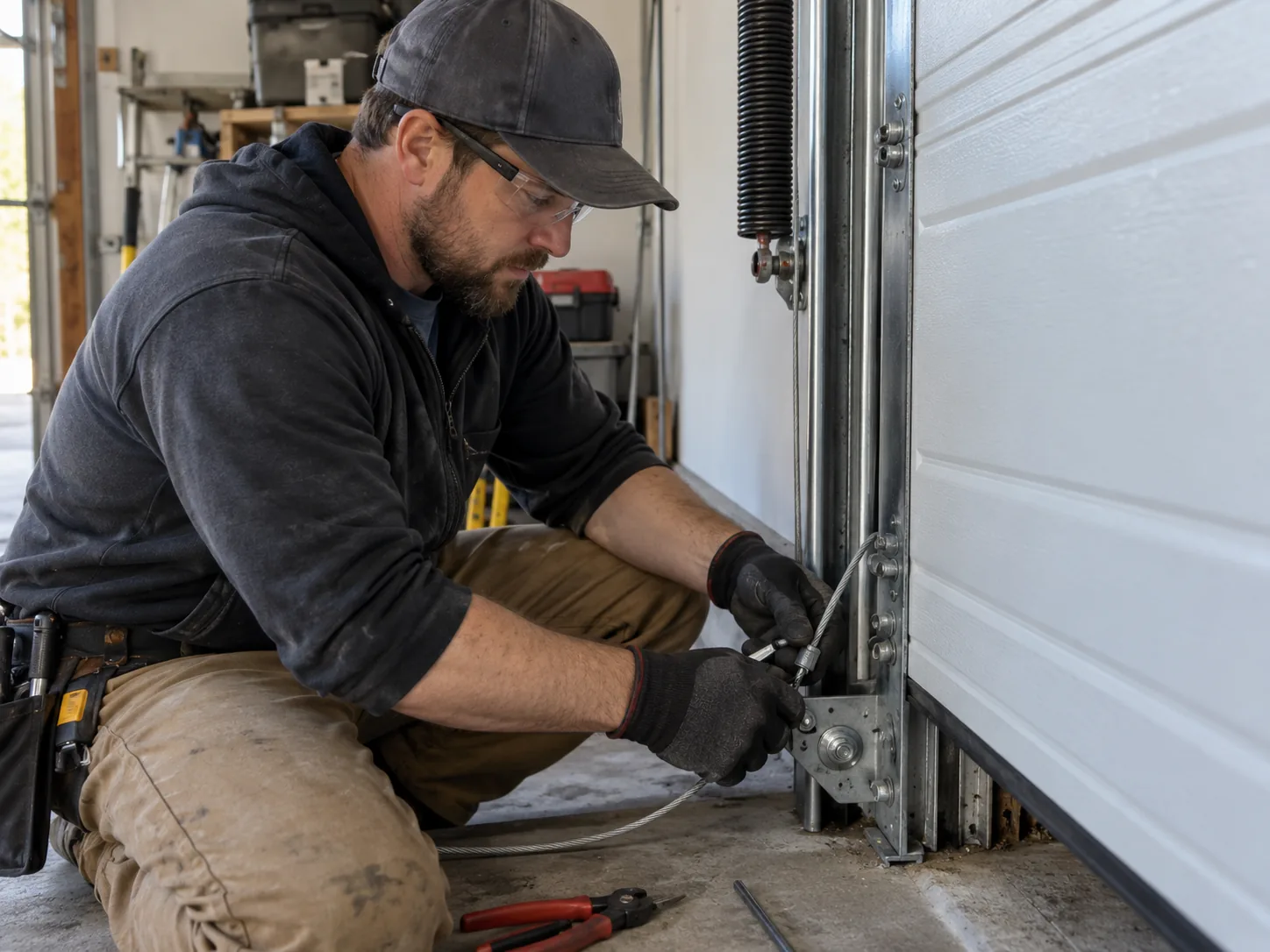
One honest limitation: we can't tell you over the phone whether your spring is at end-of-life or whether something else - a bent track, a bad cable - is doing the damage. Cycle-fatigue is common here, but it's not the only cause, and guessing wrong before we look at the door wastes your money.