Checking It Yourself
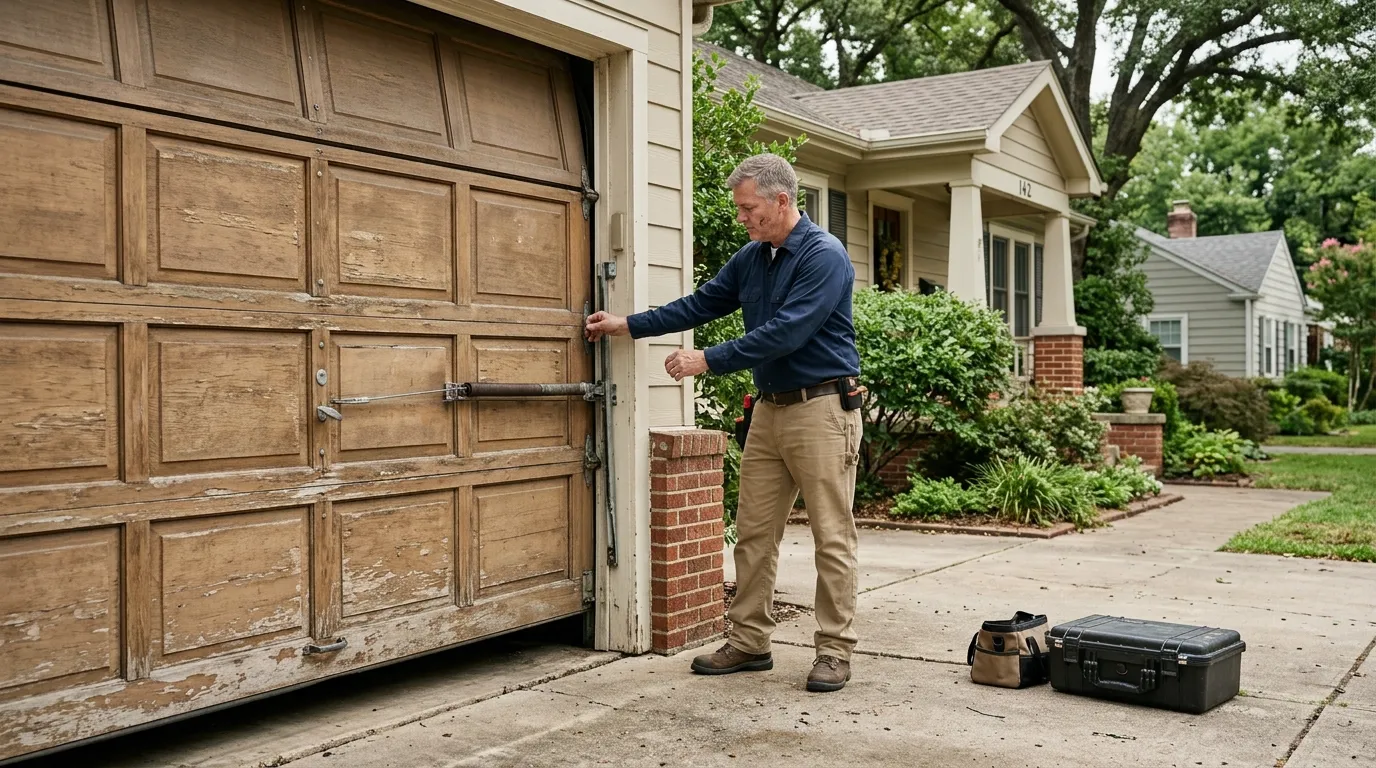
Before you call anyone, pull the red release cord and see if the door moves by hand. If it lifts smooth and stays where you set it, the springs are fine and the problem is the opener, not the door itself. Check the wall switch light first - if it's dead, look at the breaker before you touch anything on the unit. A lot of Plano garages share a circuit with something else on that side of the house, and a tripped breaker looks exactly like a dead opener from where you're standing.
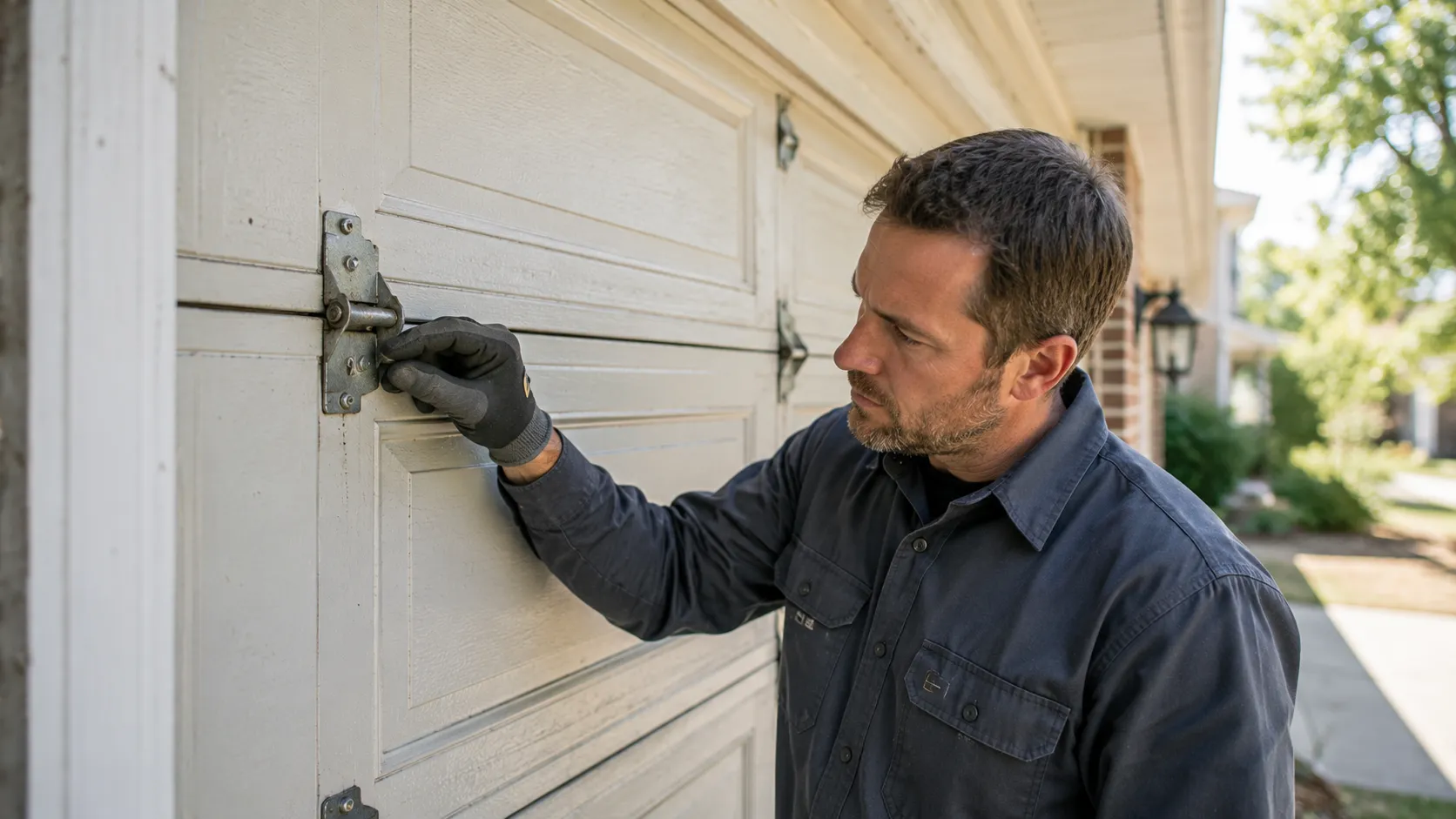
If the light works but the carriage won't travel, listen for the motor humming without movement. That's usually a stripped gear or a worn belt, not the power supply. Check the safety sensors near the floor too - a knocked bracket or a spiderweb across the eye reads as an obstruction and will refuse to close the door even with power flowing fine.
One honest note: if your opener predates a battery backup and the power cut lasted through the night, don't assume the unit failed. Some models just sit there until power returns, and that's normal, not broken.
What Is Going On
Plano's housing here went up mostly between 1973 and 2015, with the median build landing around 2001, and a big share of that stock is concentrated in 2000s construction across the area's named neighborhoods. That matters for openers because most of what's installed out there is original or first-replacement equipment from roughly that same window - chain or belt drive units now pushing 20 to 25 years on the circuit board.
Boards that age don't fail all at once. They get flaky: they work fine most days, then skip a cycle after a brownout or a hard power cut, then work again like nothing happened. That intermittent behavior is what confuses people, because it looks like the opener is broken when it's really the board losing its memory of where the door is after the power drops.
Here's the limitation worth saying out loud: once a board starts doing that, a battery backup add-on buys you cycles during an outage, but it doesn't fix a board that's already failing. At that point you're choosing between a new opener now or a board swap that may not hold for long.
The Seasonal Bit
Summer is when power cuts and opener trouble show up together most in this area. Heavier electrical load across the grid on hot afternoons means more brief drops and brownouts, and those are hardest on an opener that's already old enough to be original to a 2001-median house. A momentary drop can reset a logic board mid-cycle, which is why you'll sometimes come home to a door that's half traveled and stuck.
It's not just the power interruption itself - it's the repeated cycling of on-off-on that happens during a rolling brownout. Each interruption is small, but a board nearing the end of its life doesn't recover from these as cleanly as a newer one does. If your opener is original to a house built in that 1973-2015 window and you've noticed more hiccups the last summer or two, that's the pattern, not a coincidence.
Winter here is comparatively easy on openers. The moderate heat band means the real stress on this equipment comes from summer conditions, not cold, so if you're going to schedule a look at an aging unit, doing it before the hot months pays off more than doing it in January.
What the Weather Here Does to It
The service area sits in a moderate heat band, and garages here run hotter than the rest of the house for a good stretch of the year. That heat sits directly on the opener's circuit board and capacitors, since most units mount right at the ceiling where warm air collects. Capacitors degrade faster under sustained heat, and a degraded capacitor is a common reason an opener draws a power surge, trips a breaker, or just refuses to start on the first try.
This is a slow wear pattern, not a single event. A board in a garage that runs hot every summer for 15 or 20 years ages differently than the same board in a cooler climate would. That's part of why openers original to houses from this area's 1973-2015 build range often show trouble now rather than lasting the full expected life of the part.
We don't sell whole-house surge protection or rewire panels - that's an electrician's job, not ours. What we do is check whether the opener's own components are the reason a power blip turns into a dead unit, and replace what's actually failing instead of guessing.
Talk to a local pro
Garage door trouble in Plano?
Same-day service with honest, upfront quotes.